
Directional Control Valve Basics Everything Engineers and Buyers Need to Know
Time : Mar 13, 2026 View : 40
In heavy machinery, raw power means little without proper direction. Picture a 1000-ton crane lifting loads or a deep-sea drilling rig working under constant strain—the huge forces involved become pointless, or even hazardous, unless guided with accuracy. The Directional Control Valve (DCV) sits at the center of that control. For engineers and buyers alike, picking the correct DCV goes beyond simple specs; it directly affects how well the machine runs, how safe the operation stays, and what the costs look like over years of use.
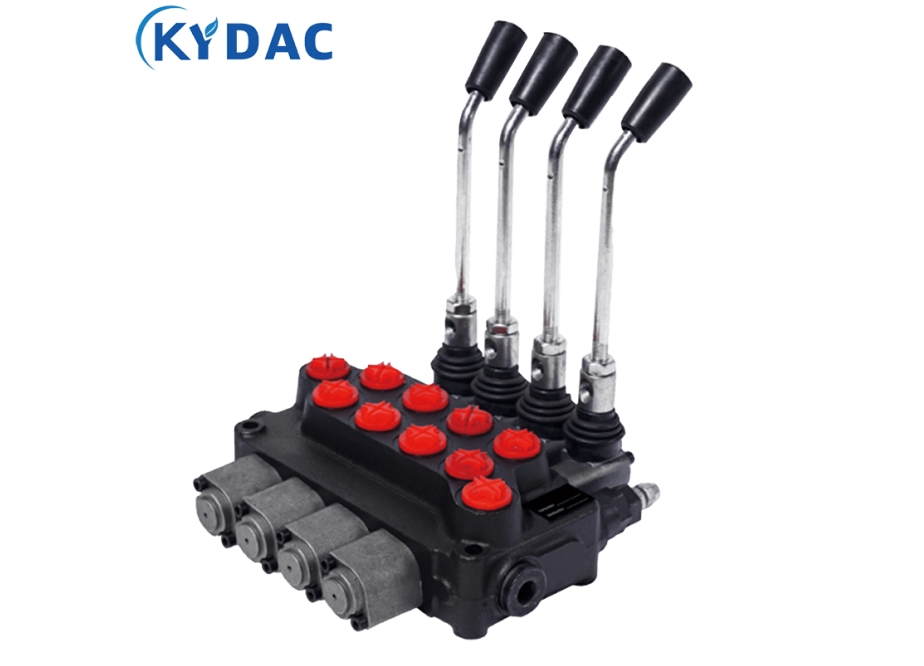
KYDAC stands out as a leading maker in this field, drawing on more than 24 years of focused experience. The company concentrates on strong hydraulic control valves, electromagnetic valves, and gear pumps. Across the globe, KYDAC supplies what many call the “hydraulic nerve center” for sophisticated machines.
Directional Control Valve Fundamentals
What is a Directional Control Valve?
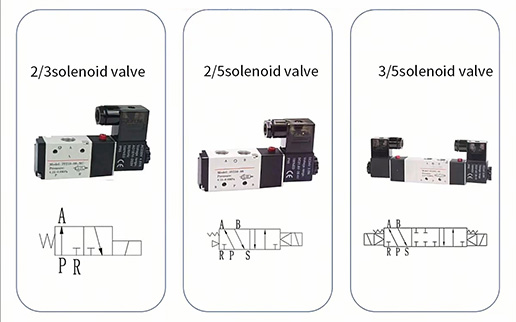
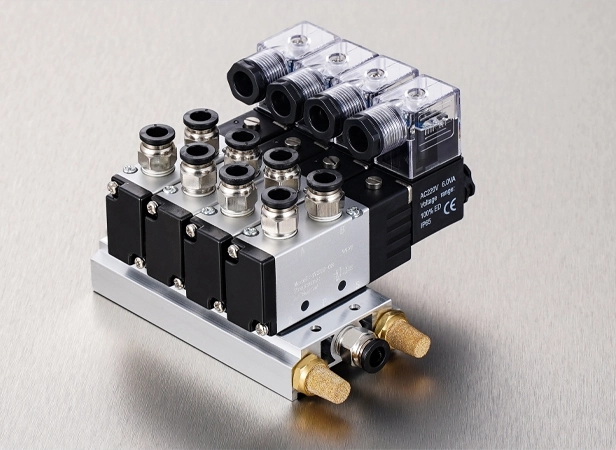
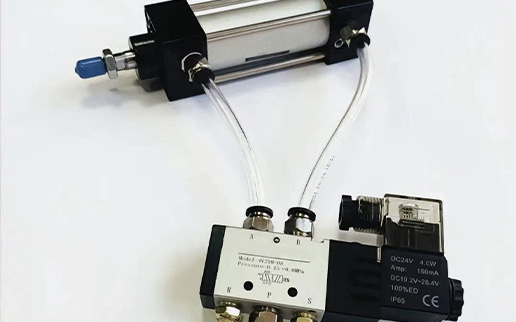
A directional control valve forms a key piece in any hydraulic setup. It directs the flow of hydraulic oil, deciding the route it takes through the system. Above all, the valve handles starting, stopping, and reversing that flow so actuators—cylinders or motors—can do their work. Take away these valves, and sequenced automatic steps or involved multi-function motions simply cannot happen.
The Mechanics of Fluid Management
Inside the valve, a sliding spool moves to open paths or close off ports for the oil. The spool shifts when it gets signals—whether from electricity, pilot pressure, or direct hand operation. That movement decides the exact timing and destination of the hydraulic force. As a result, one operator can manage several big, demanding actions from one spot.
Key Factors for Selecting the Right Valve
Flow Rate and Pressure Ratings: Matching Performance to Demand
Engineers need to focus first on Nominal Flow Rate and Maximum Working Pressure when choosing a valve.
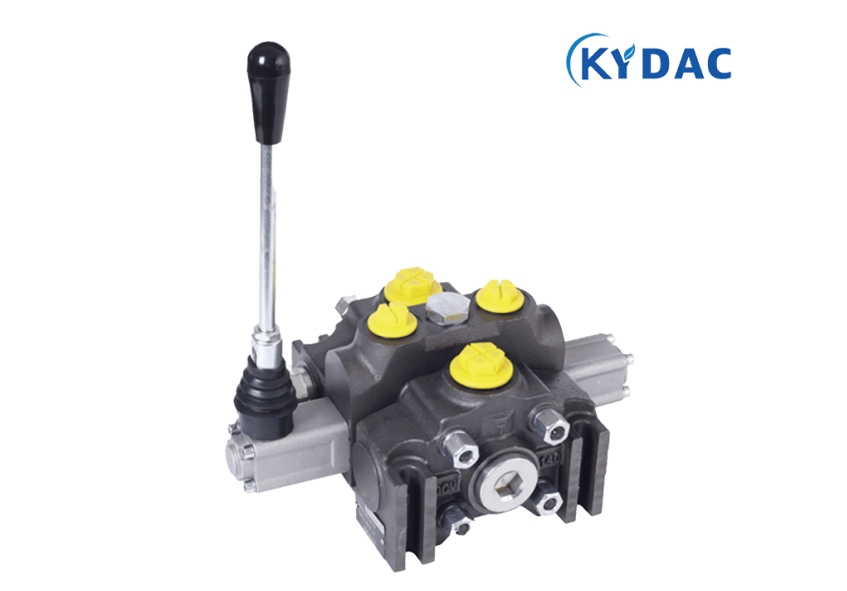
- Flow Rate: This figure sets how quickly actuators respond. Take the KYDAC DCV140 series, which delivers 140 L/min. That kind of capacity shortens cycle times on big machines where speed matters.
- Pressure Rating: It shows the system’s ability to withstand force. In tough settings like mining digs or heavy lifts, valves must stand up to 350 bar (5076 psi) so power remains steady even during the heaviest moments.
Spool Functions and Actuation Methods
Different spool types—O-type, Y-type, M-type—control what occurs when the valve returns to neutral. Buyers also select how the valve gets moved:
- Solenoid-Operated: These suit fast, automated setups in factories and plants.
- Manual/Pilot Control: Operators often pick this style for construction gear, where direct feel and solid dependability count most.
Real-World Application Scenarios: Where Performance Meets the Ground
Heavy-Duty Construction and Mega-Mining Operations
On enormous 800-ton excavators, the KYDAC DCV140 series acts as the main control hub.
- The Problem: Older valves tend to falter under sudden pressure jumps in hard digging work. That causes delays in movement and wastes fuel.
- The Solution: With its very high flow, the DCV140 feeds the boom, arm, and bucket cylinders at the same time. The solid cast-iron construction absorbs sharp shocks well. Operators get even, combined motions in rough mining sites.
Precision Control in Sanitation and Municipal Vehicles
Today’s garbage compactors and tunnel washers juggle many separate actions.
- The Problem: Running lots of lines for various cylinders raises the chance of leaks and crowds the available mounting area.
- The Solution: KYDAC DCV60and DCV100 series use a sectional build. Up to 12 work sections fit together in one tight unit. Piping becomes simpler, fewer joints reduce leak risks, and actions like pressing and emptying stay in step—boosting daily output for city crews.
Offshore and Energy Extraction Challenges
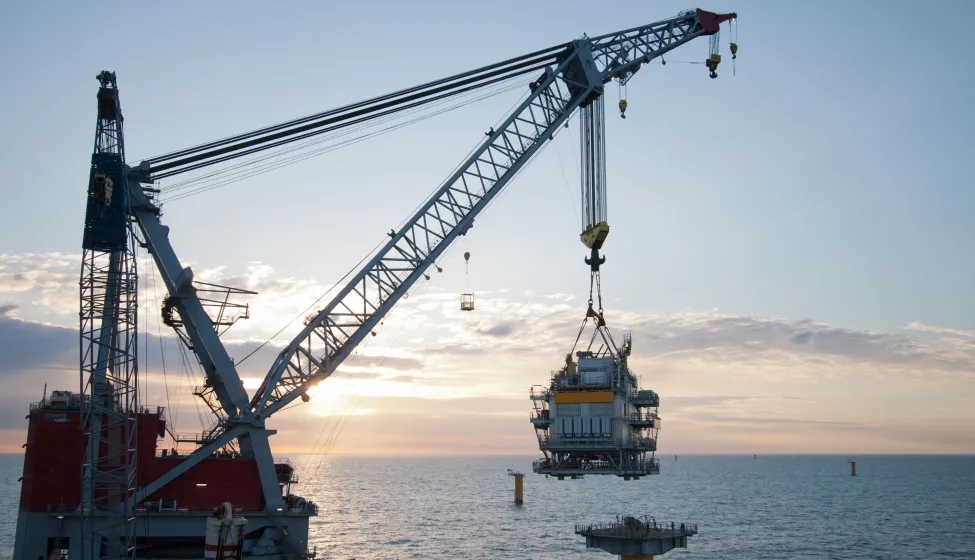
Deep-sea platforms face some of the roughest conditions anywhere.
- The Problem: Salt spray eats at parts, while temperatures swing wildly from -40℃ to 80℃. Ordinary valves lock up or break down under those stresses.
- The Solution: KYDAC builds its valves from tough materials and adds reliable seals. The DCV100 series delivers steady handling for riser tensioners and blowout preventers (BOP). That reliability keeps operations safe and uninterrupted during vital offshore work.
The KYDAC DCV Series: Redefining Hydraulic Control
Unmatched High-Pressure Stability for Extreme Loads
The KYDAC DCV Series—covering models from DCV20 through DCV140—targets tough, high-pressure duty. Rated to 350 bar maximum working pressure, the valves limit internal leaks and keep pressure swings small. Machines then get consistent, strong output for jobs that demand repeated heavy strikes or quick, repeated lifts.
Sectional Modular Design for Ultimate Flexibility
A major strength of the KYDAC DCV series lies in its sectional layout. Traditional monoblock valves come fixed in one piece, but KYDAC sectional types let users add 1 to 12 work sections as needed, much like stacking blocks.
- Customization: Designers match the number of control paths to exact machine needs—boom lift, swing drive, travel motors, stabilizer legs, and so on.
- Easy Maintenance: Should a single section need repair, it comes out on its own. No full teardown required, so equipment returns to service much sooner.
Interchangeability and Global Standards
Buyers working across borders value steady supply lines. KYDAC designs its products to match universal interface patterns. They swap directly with well-known names like Rexroth, Vickers, and Yuken. That compatibility cuts wait times and expenses when replacing parts or updating older machines.
Why KYDAC is the Preferred Choice for Engineers and Buyers
A Legacy of Precision Manufacturing
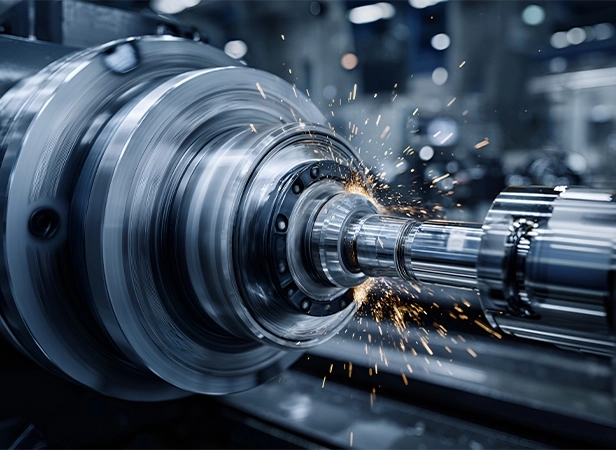
KYDAC runs a modern 40,000 square meter plant fitted with high-grade lines brought in from Germany and Japan. Each valve passes strict checks that follow ISO/TS16949 rules. The approach follows the principle that “Performance Originates from Fine Engineering.” A group of over 30 hydraulic specialists handles everything—from custom small runs to full OEM production.
Global Supply Chain and Reliable Support
Warehouses placed in key spots, together with varied shipping partners, help KYDAC ship quickly to more than 50 countries. Customers in places such as the USA, Italy, and Saudi Arabia receive prompt service. A 2-year warranty backs every product and shows the company’s focus on lasting quality.
Upgrade Your Hydraulic System Today
Do not allow poor control to limit what your machines can achieve. From new mining rigs to upkeep on farm tractor fleets, the KYDAC DCV Series brings the strength, accuracy, and adaptability required.
Reach out to KYDAC today. They will prepare a custom technical plan along with a clear quotation.
FAQ
Q: How does the KYDAC DCV Series benefit high-pressure environments?
A: The KYDAC DCV Series provides exceptional stability in high-pressure settings, handling up to 350 bar and ensuring consistent output for demanding tasks like heavy lifting and quick cycles.
Q: What is the maximum pressure the DCV Series can handle?
A: Models such as DCV60, DCV100, and DCV140 in the series hold up to 350 bar working pressure (around 5076 psi).
Q: Are these valves suitable for extreme cold weather operations?
A: Yes. The KYDAC DCV series works reliably across ambient temperatures from -40℃ to 80℃, so it fits deployments anywhere in the world.
Q: What industries typically use the DCV140 series?
A: The DCV140 targets the heaviest tasks—think very large mining excavators, massive wheel loaders, and offshore drilling rigs—where flow needs reach 140 L/min.