

Hydraulic Gear Pumps: Key Insights, Performance, and Tips
Time : Mar 20, 2026 View : 5
Heavy machinery and factory automation depend on strong hydraulic systems to handle tough tasks. Right at the core sits the hydraulic gear pump, which many call the “heart” of the setup. It turns whether an excavator raises a heavy bucket full of earth or a tractor pulls implements steadily across rows—the gear pump changes shaft rotation into a steady hydraulic force that powers cylinders and hydraulic motors.
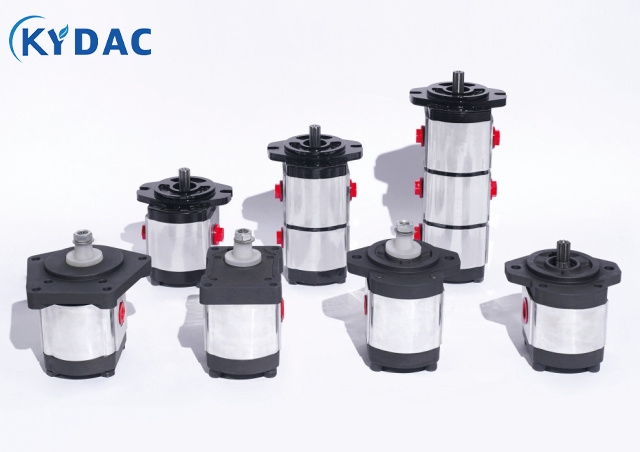
As a leading brand in the industry, KYDAC focuses on delivering high-efficiency gear pumps that change shaft rotation into a steady hydraulic force, powering everything from heavy-duty excavators to precise industrial robotic arms.
How Hydraulic Gear Pumps Work: The Heart of the System
Grasping the basic action inside a gear pump marks the starting point for better hydraulic system performance. These units belong to the positive displacement family. Each full turn of the gears pushes out a set volume of fluid without much change.
The Principle of Positive Displacement
The operation stays straightforward and works very well in practice. When the gears spin apart near the inlet port, they form a low-pressure area that pulls oil into the pump. Fluid fills the spaces between gear teeth and the inner walls of the housing. As rotation continues toward the outlet, the teeth come together again and squeeze the trapped oil outward with force. That repeating action creates the constant, dependable flow needed for systems running under high pressure.
External vs. Internal Gear Pumps: Choosing the Right Configuration
External gear pumps see the widest use in demanding jobs. Two matching gears mesh together on separate shafts. People choose them because they remain simple to service, hold up under high pressure, and cost less to repair. Internal gear pumps run quieter and take up less room. Still, most builders save them for lighter-duty work or spots where every centimeter counts.
Performance Metrics: What Defines a High-Quality Gear Pump?
Gear pumps vary widely in quality. The best ones hold steady pressure with little drop in output from internal bypass.
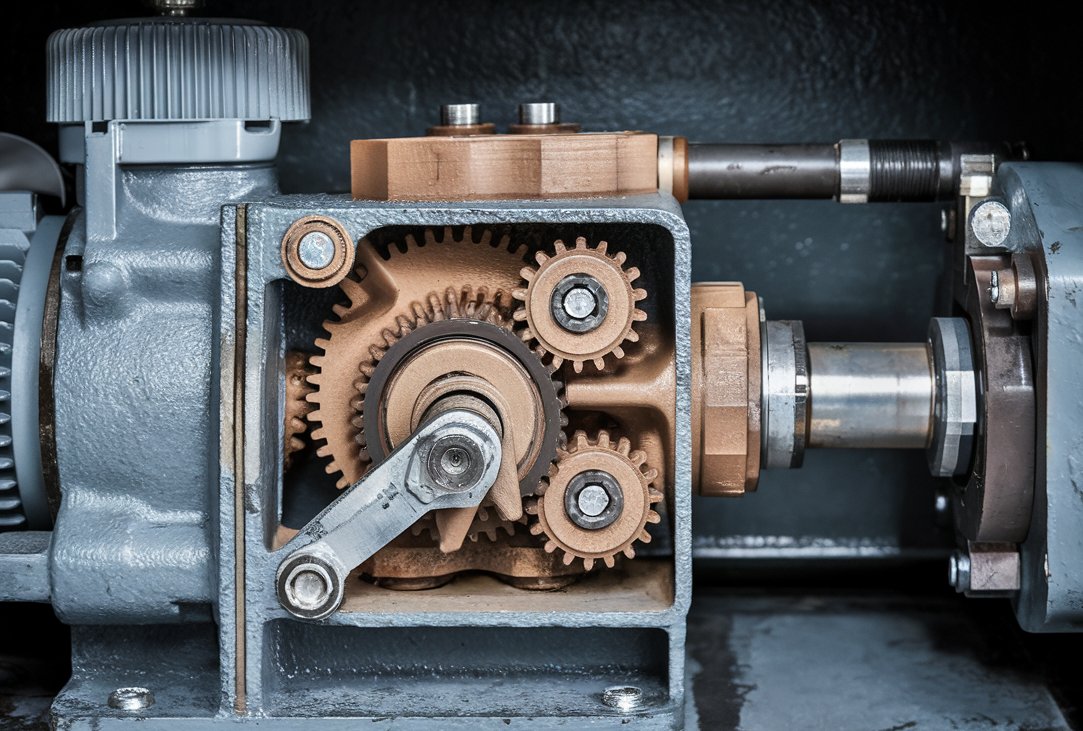
Efficiency and Volumetric Performance
Top-performing gear pumps, including models from the KYDAC range, use very close clearances to cut down on slip—oil leaking back from the high-pressure side to the low-pressure side. That design keeps output steady even when temperatures climb during long shifts.
Material Selection: Aluminum vs. Cast Iron Durability
Body material choice ties directly to weight needs and pressure levels.
- Aluminum Bodies: They shed heat quickly and weigh much less, so they suit mobile machines such as tractors, skid steers, and forklifts.
- Cast Iron Bodies: These deliver extra toughness and dampen vibration better, which matters a great deal in large excavators, dozers, and equipment that runs many cycles each day.
The KYDAC Edge: Engineering Precision from 0P to 2.5P Series
KYDAC supplies a broad lineup of gear pumps built for different jobs. Series names reflect size and flow capacity, so the right match appears easily:
- 0P & 1P Series: Small units with displacements from 0.19 to 8.0 cm³/rev. They fit tight spaces on compact equipment yet reach pressures up to 250 bar.
- 1.5P & 2P Series: Reliable middle-sized pumps that go up to 30 cm³/rev. Material handlers, loaders, and farm attachments rely on them often.
- 2.5P Series: Large, strong pumps with displacements to 63 cm³/rev. Big construction machines and mining gear count on this series for heavy lifting and pushing.
Real-World Application Scenarios: Where Power Meets Precision
Gear pumps prove their worth most clearly on actual work sites. Looking at specific tasks shows how they solve daily challenges and raise output.
Agricultural Excellence: From Plowing to Harvesting
Farm machines face dust, constant shaking, and long hours in the field. KYDAC gear pumps, including the 2.5PHA BO series, serve as direct replacements for Rexroth units in New Holland, Case, and Kubota tractors.
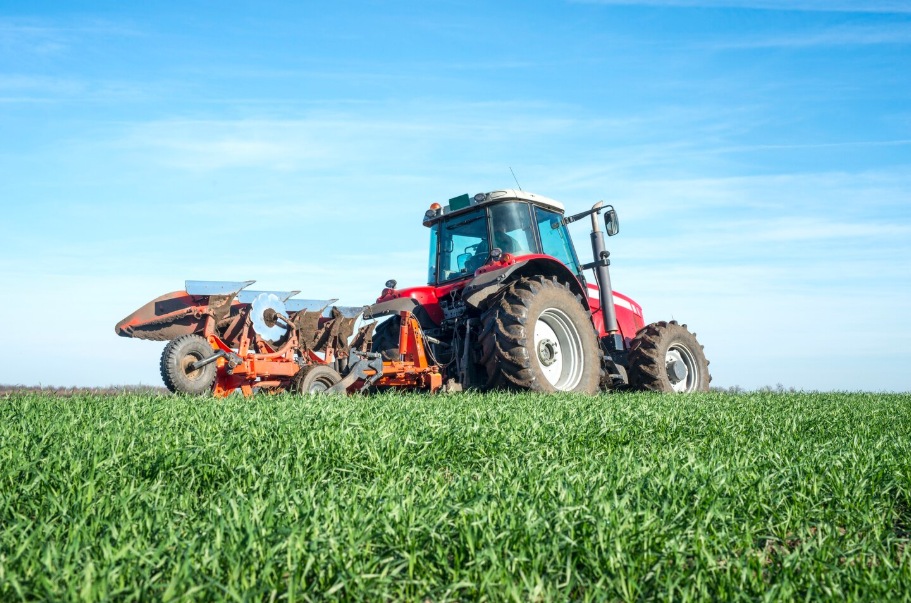
- Problem Solved: Older pumps sometimes fall short on instant response when modern tools like hydraulic tillers or planters need quick power surges.
- The KYDAC Solution: These pumps deliver a steady force for ground work and crop collection. High volumetric efficiency means the engine’s power goes straight to the implement instead of wasting fuel on leaks.
Construction and Material Handling: Lifting Heavy Loads in Tight Spaces
Forklifts from TCM or LINDE, along with compact loaders, demand small yet powerful hydraulic sources.
- Problem Solved: Raising loaded pallets calls for smooth, immediate pressure buildup. A weak pump causes jerky lifts or slow movement, which raises safety concerns for workers.
- The KYDAC Solution: The 1P and 1.5P series handle precise control. Operators manage steering and lift actions smoothly, moving several tons with light joystick pressure.
Industrial Automation: Ensuring Consistency in Manufacturing
Robotic lines and press stations need exact timing for every cycle.
- Problem Solved: Uneven flow leads to slight delays that build up, so parts misalign, or arms collide during fast sequences.
- The KYDAC Solution: Low-noise design and stable delivery turn the pump into a dependable control point. Movements stay repeatable shift after shift.
Maintenance and Troubleshooting: Pro-Tips for Longevity
Solid maintenance habits extend pump life considerably.
Fluid Health and Filtration: The First Line of Defense
Dirt ranks as the number-one reason pumps wear out early. Tiny particles scratch gear faces and housing bores, opening paths for leakage.
- Pro-Tip: Fit good high-pressure filters and follow the oil change interval listed in the manual. KYDAC setups often pair well with fine filtration that guards tight clearances.
Identifying and Solving Common Wear Patterns
Listen for a sharp, whining sound that points to cavitation. Air gets pulled in, or the inlet starves.
- Solution: Inspect suction lines for loose connections right away. Clean any blocked strainers. Quick action on cavitation spares gears and bearings from serious damage.
Why KYDAC is Your Trusted Hydraulic Partner
KYDAC brings more than 24 years of focused work in hydraulic component design and manufacturing. Since 2007, the company has shipped products to over 50 countries, including the United States, Canada, and Australia. Production lines run more than 100 high-end machines brought in from Germany and Japan. Every unit passes ISO/TS16949 quality checks. Standard catalog items sit alongside full OEM and ODM capabilities for custom builds that match exact drawings and specs.
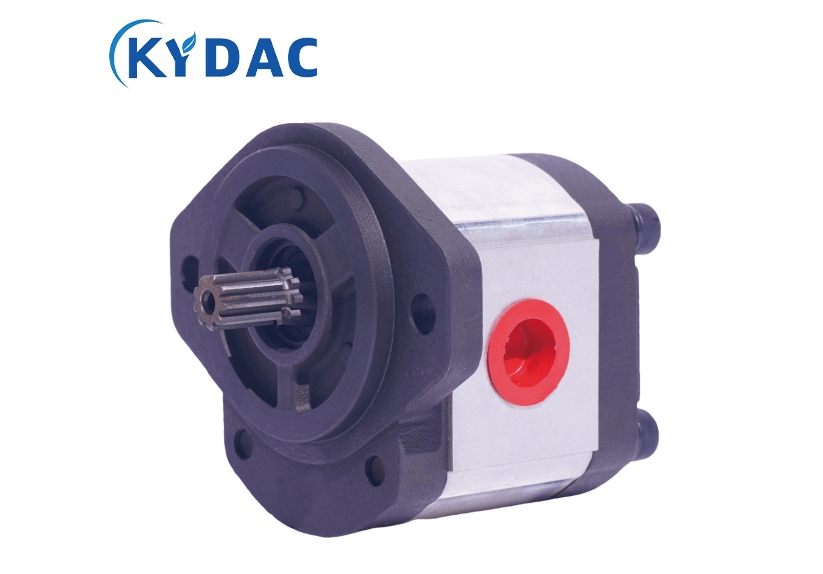
Ready to Power Your Machinery?
Ineffective hydraulics hold back progress on any job. If your tractor needs a fresh pump or your production line calls for a tailored unit, KYDAC carries the knowledge and stock to respond fast. Worldwide logistics keep waiting time short and machines running.
[Contact Us Today for a Custom Quote]
FAQ
Q: What is the main reason for gear pump noise?
A: Noise is caused by cavitation resulting from air in the oil or wear between the gears and side plates due to dirt in the oil.
Q: Is it okay to use an aluminum gear pump for industrial work at high pressure?
A: Yes, if it is within the rating for pressure. Aluminum gear pumps work well for handling heat; however, cast iron works better in extreme conditions and rough environments.
Q: How often should I change my hydraulic fluid?
A: You should change it every 1,000 to 2,000 hours of use. Also, if it gets a milky color or a burned smell, it is time for a change.
Q: What is the main difference between external and internal hydraulic gear pumps?
A: External gear pumps have two gears that mesh with each other and work well for heavy-duty jobs at high pressure. Internal gear pumps are quieter and more compact and work well for light-duty jobs in confined spaces.


