
The Ultimate Guide to Hydraulic Valves: Types, Functions, and Principles by KYDAC
Time : Mar 06, 2026 View : 32
In heavy equipment, fluid power depends entirely on proper control. Picture an excavator cutting a clean trench or a 1000-ton crane handling a bridge segment with care. Without valves that respond in milliseconds, such tasks simply cannot happen. Hydraulic valves function as the real commanders in the circuit. They decide where the energy travels, how much force gets delivered, and at what pace the machine operates.
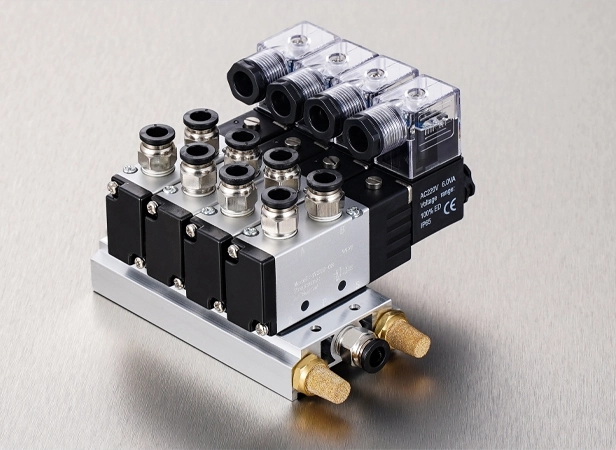
KYDAC has focused on these essential parts for more than 24 years. Our group of 30 senior engineers works with advanced production lines brought in from Germany and Japan. The result is dependable, high-performing valves that form the solid foundation of your machinery. This guide covers the main kinds of hydraulic valves and shows how KYDAC addresses key difficulties faced in the field.
Directional Control Valves: The Traffic Controllers of Fluid Power
Directional control valves (DCVs) handle the tasks of starting, stopping, and redirecting hydraulic fluid. They make sure power reaches the correct actuator exactly when needed.
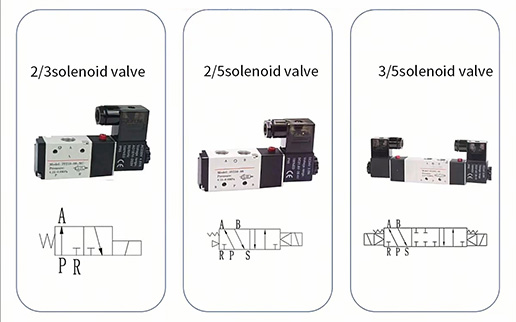
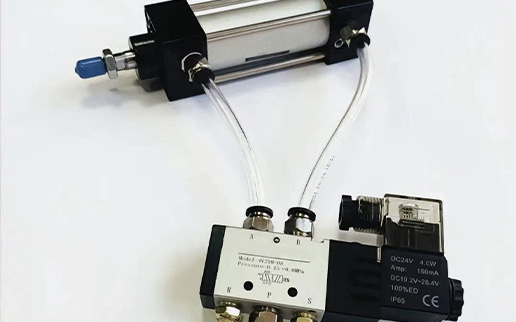
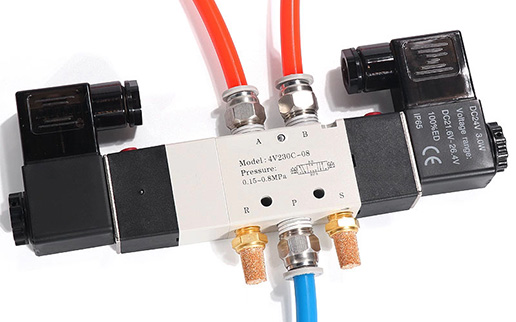
Solenoid Directional Valves for Automated Precision
Today’s automated plants and mobile machines rely heavily on electric signals. KYDAC’s WE6 and WE10 series solenoid valves respond quickly—with switching times under 100 ms—and hold up well under high pressure.
- Key Features: These models handle pressures up to 35 MPa and deliver flow rates as high as 120 L/min.
- Application Scenario: Industrial robots and automated assembly lines use them widely. The valves cut out the control delay. That allows fast-moving arms to coordinate movements accurately without any overshoot.
Monoblock and Sectional Valves for Complex Machinery
Certain machines need to run several actions at once, such as a forklift that lifts, tilts, and sideshifts together. A single valve block proves far more practical in those cases. KYDAC’s DCV and P series stand out as trusted choices for this kind of work.
- The KYDAC Advantage: The DCV100 and DCV140 series use a sectional layout that lets you combine up to 12 work sections in one compact assembly.
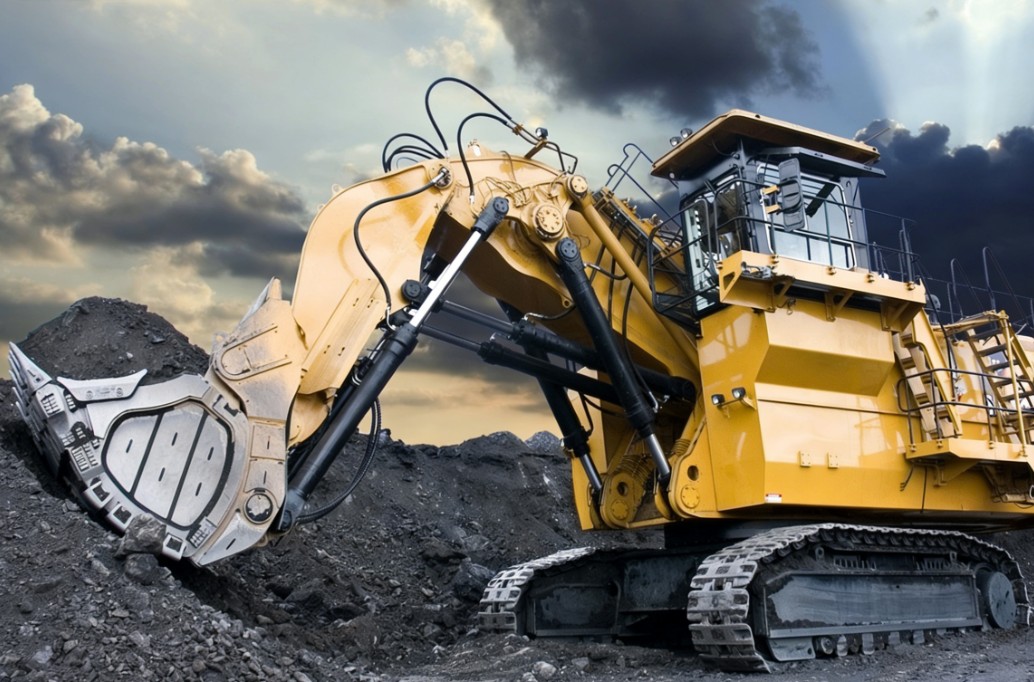
- Application Scenario: Very large mining excavators depend on a KYDAC DCV140 valve group to manage the heavy boom, arm, and bucket motions. Grouping several circuits inside one block removes the need for complicated external hoses. Fewer connections mean fewer leak risks, and field servicing becomes much simpler under tough conditions.
Pressure Control Valves: Protecting Your System from Failure
Pressure valves serve as built-in safety devices. They stop sudden pressure jumps or overloads from causing major damage.
Relief Valves: The Essential Safety Vent
No hydraulic system can handle unlimited pressure. KYDAC’s pilot-operated relief valves in the DB/DBW series supply steady high-pressure flow while keeping the circuit safe.
- How it works: If pressure climbs past the preset level—typically between 35 and 42 MPa—the valve opens and routes fluid straight back to the tank.
- Application Scenario: Heavy cranes often face snagged loads or quick wind gusts that spike tension. A KYDAC relief valve reacts at once and releases the extra pressure. That action stops hoses from splitting open and keeps both the machine and the crew out of harm’s way.
Sequence and Unloading Valves
These valves control the order of operations. For example, a KYDAC DZ series sequence valve makes certain that outrigger legs extend fully before the main boom starts to rise.
- Solving the Problem: The arrangement prevents mistakes during operation. It guarantees that high-force steps take place only after the equipment stands in a secure, balanced position.
Flow Control Valves: Mastering Speed and Smoothness
Flow control valves set the pace of cylinder or motor movement by metering fluid volume. Without them, machine actions turn rough and hard to predict.
Pressure-Compensated Regulation
Load changes frequently cause speed variations. KYDAC’s LKF-1 series tackles that issue through built-in pressure compensation.
- Features: The valves hold flow steady, no matter how much system pressure rises or falls.
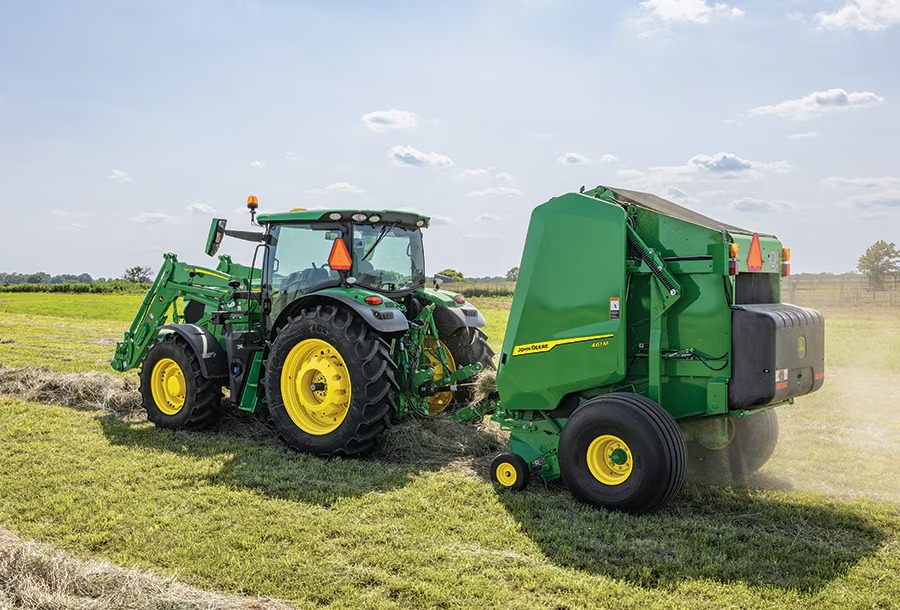
- Application Scenario: Tractors pulling silage balers or similar farm implements benefit from the LKF-1. Feed rollers keep turning at the same rate even when crop density builds up. Uniform bales come out consistently, and the engine avoids stalling from abrupt hydraulic load spikes.
Hydraulic Check Valves: The One-Way Gate for Load Holding
Check valves rank among the simplest components yet rank high in importance for safety. They permit flow in one direction only and stop reverse movement.
Modular Hydraulic Check Valves (Z2S Series)
Ordinary check valves sometimes allow slow leakage over extended periods. KYDAC’s Z2S series modular check valves are built for tight shut-off with practically no leakage.
- Solving the Problem: These valves eliminate gradual drift. Many operators have noticed an excavator arm dropping slowly while parked—that drop traces back to internal leakage.
- Application Scenario: Aerial work platforms rely on KYDAC Z2S valves to hold position. After the platform rises, the valve seals the cylinder oil tightly. Technicians then work at a fixed height for long stretches without any settling, which creates a steady and secure platform.
Why Global Leaders Choose KYDAC
Beyond listed specifications, KYDAC delivers full support:
- Customization (OEM/ODM): We go beyond standard catalog items. Our engineers study your drawings and requirements closely, then build valves that fit directly into your design.
- Global Supply Chain: A well-managed logistics system ships parts to customers in the US, Europe, and Australia on schedule. Downtime stays low as a result.
- Certified Quality: Each valve goes through detailed inspection and carries ISO/TS16949 certification together with a 2-year warranty.
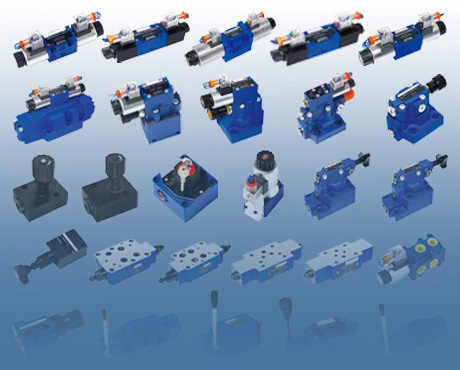
Ready to Upgrade Your Machine’s Performance?
Weak valves can undermine even the best equipment. If you are building next-generation excavators or keeping a group of industrial robots in service, KYDAC supplies the accurate control components your project requires.
[Contact KYDAC Experts Today] to get a tailored technical proposal and discover how our hydraulic products can strengthen your results.
FAQ
Q: Why should I choose a sectional valve over a monoblock valve for my construction machinery?
A: Monoblock styles stay compact and lower in cost for fixed setups, yet sectional types make future changes easier and let you service one section alone without taking apart the whole unit.
Q: How does KYDAC ensure valve reliability in extreme temperatures?
A: High-grade cast iron bodies paired with modern seal compounds hold performance steady across fluid viscosities from 12 to 400 cSt. That range covers cold morning starts in northern regions as well as hot summer work in dry climates.
Q: Can KYDAC valves replace products from major brands like?
A: Yes, many of our top models—including the WE series solenoid valves—match equivalent items from Rexroth, Yuken, and Vickers completely. Interchangeability lets you keep performance while improving cost control and supply options.
Q: What is the benefit of a pressure-compensated flow control valve?
A: It delivers the same actuator speed no matter the load weight. Without that feature, a forklift raises light pallets quickly but slows down heavily under full load. The change creates handling hazards and uneven operation. KYDAC’s LKF series removes those speed swings entirely.