

Hydraulic Valve Manufacturer: What B2B Buyers Should Know
Time : Sep 11, 2026 View : 13
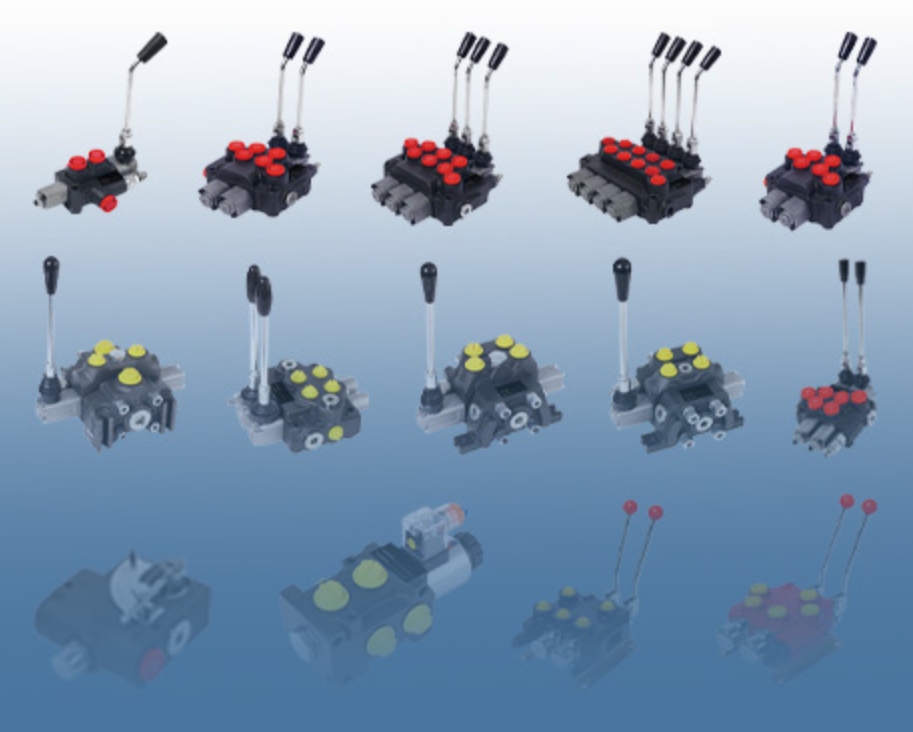
Acquiring quality fluid control devices is an essential procurement process for original equipment manufacturers and fluid power systems integrators. Valve malfunctions may result in pressure losses, delayed actuator response, internal leakages, and expensive downtime of machines. Choosing a reliable hydraulic valve manufacturer involves assessing the company’s ability to engineer, manufacture, test, produce hydraulic valves, and customize products.
KYDAC is a reliable hydraulic valve manufacturer China that provides OEMs around the world with quality, high-precision hydraulic valves that are suited for challenging operating conditions.
Key Selection Criteria for Sourcing Hydraulic Valves
Sourcing the right hydraulic valve manufacturer requires evaluating core technical specifications, manufacturing capacity, and quality systems to ensure long-term fluid system stability.
Core Technical Parameters and Engineering Matching
B2B buyers focus on exact hydraulic specs when they review suppliers. This step avoids delays once equipment runs in the field.
- Pressure and Flow Ratings: Choose valves with pressure and flow levels that suit the system. A proper match cuts down on pressure drops and heat buildup.
- Harsh Environment Tolerance: Review temperature limits, fluid thickness, seal types, and corrosion protection. These factors matter in outdoor, mining, construction, and farm settings.
- Spool Precision: Careful machining of spool and bore gaps reduces internal leaks. It also keeps flow behavior steady and reliable over time.
Evaluating Hydraulic Valve Production Capacity and OEM Flexibility
Well-equipped facilities ensure component supply remains constant if there are increases in volume or repeat orders.
- Production Volume: Work with an OEM hydraulic valve manufacturer that is able to cater for prototypes, batch, and repeat-order production.
- Hydraulic Valve Production Capacity: Look at their CNC machining capabilities, assembly, testing equipment, staffing capacity, and scheduling systems. This addresses the hydraulic valve production capacity considerations.
- Flexibility in OEM & ODM Services: A good custom hydraulic valve manufacturer should be able to offer body styles, coating type, actuator type, porting, and mounting options.
Hydraulic Valve Customization: Tailoring Solutions for Heavy Equipment
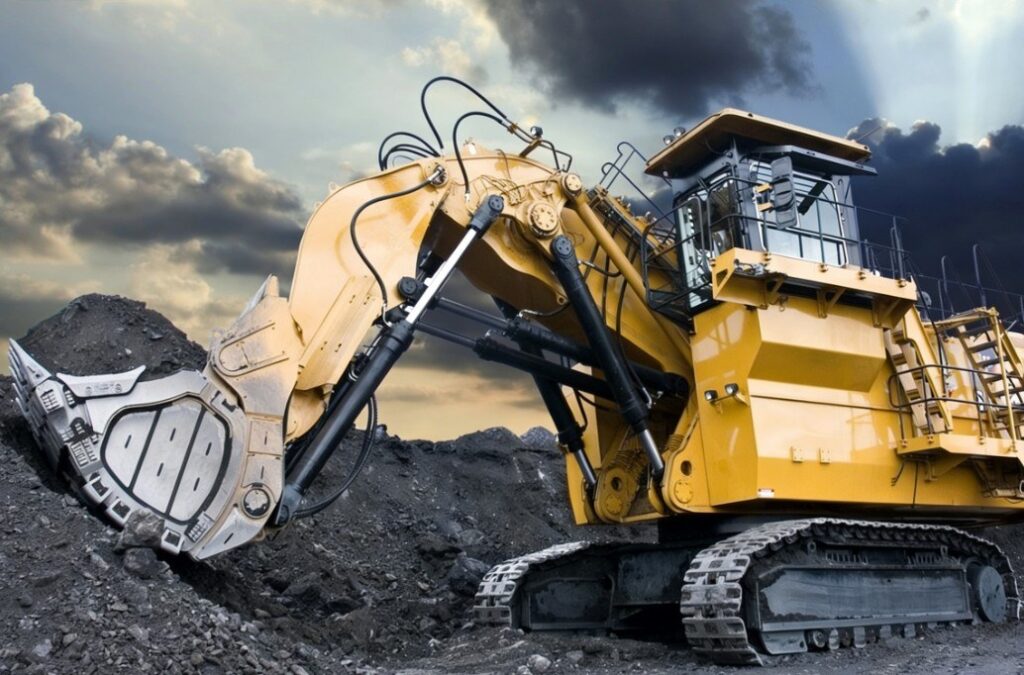
Standard valves may not always satisfy complex multi-actuator synchronization requirements or restricted installation spaces. In these cases, hydraulic valve customization helps align the valve with the machine’s actual hydraulic circuit.
Custom Spool Configuration and Circuit Integration
Customized internal flow paths allow engineers to adjust metering characteristics, neutral functions, and circuit behavior.
- Custom Spool Configuration: A custom hydraulic valve manufacturer can develop a custom spool configuration with specific metering notches, float functions, regenerative circuits, or neutral positions according to actuator requirements.
- Multi-Way Control Integration: Working with a multi-way hydraulic valve manufacturer enables several actuator functions to be combined into one centralized valve assembly.
- Monoblock vs. Sectional Design: Use monoblock designs for compact systems, or work with a sectional directional control valve manufacturer when additional work sections or modular circuit functions are required.
Port Options and Mounting Adaptability
Flexible external geometry simplifies hose routing and equipment integration.
- Custom Hydraulic Port Configuration: A custom hydraulic port configuration can specify SAE, BSPP, Metric, or other thread standards together with project-specific port positions.
- Compact Physical Footprints: Valve block dimensions can be optimized to fit restricted engine compartments or mobile equipment chassis.
- Multi-Voltage Actuation: Electrically operated directional valves can be configured around different voltage requirements according to the target machine and market.
Effective hydraulic valve customization should address both internal hydraulic logic and external installation requirements.
Quality Control, Testing, and Batch Consistency
Good valves come from steady manufacturing steps and checks that run from raw material review all the way to the end tests.
Hydraulic Valve Performance Testing and Quality Standards
Thorough checks find problems early, before any valve starts working in the field.
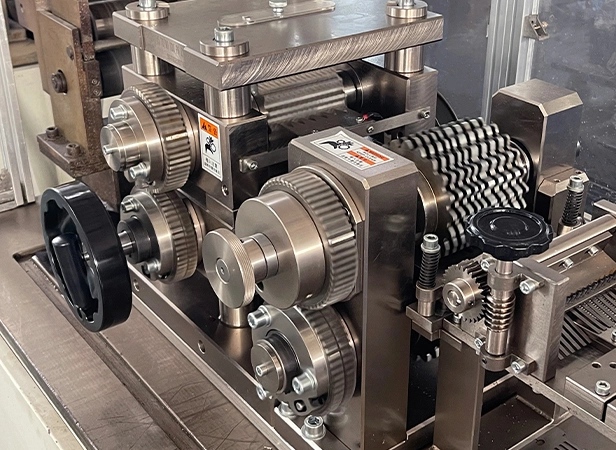
- Hydraulic Valve Quality Control: Strong hydraulic valve quality control should cover raw castings, machining dimensions, sealing components, assembly procedures, and final inspection.
- Hydraulic Valve Performance Testing: Hydraulic valve performance testing can include pressure testing, internal leakage checks, spool operation verification, relief settings, and functional flow testing according to valve type.
- Surface Protection: Suitable coatings and finishing steps help fight rust in outdoor or rough-duty jobs.
B2B buyers look at hydraulic valve quality control records and results from hydraulic valve performance testing. These show how well a maker can produce valves without variation.
Ensuring High Hydraulic Valve Batch Consistency
Big OEM jobs need valves that work the same way in every batch that comes off the line.
- Precision CNC Machining: Automated machining centers help maintain consistent valve bore, spool, and fluid passage dimensions.
- Hydraulic Valve Batch Consistency: Maintaining hydraulic valve batch consistency requires controlled machining, calibrated assembly procedures, inspection standards, and repeatable testing.
- Full Part Traceability: Lot and serial tracking helps manufacturers investigate quality issues and maintain production records.
A good OEM hydraulic valve manufacturer shows steady results not just on the first samples but right through the full production runs as well.
KYDAC Valves Solving Demanding Hydraulic Challenges
Practical machinery requires different valve structures depending on flow, pressure, space, and actuator count.
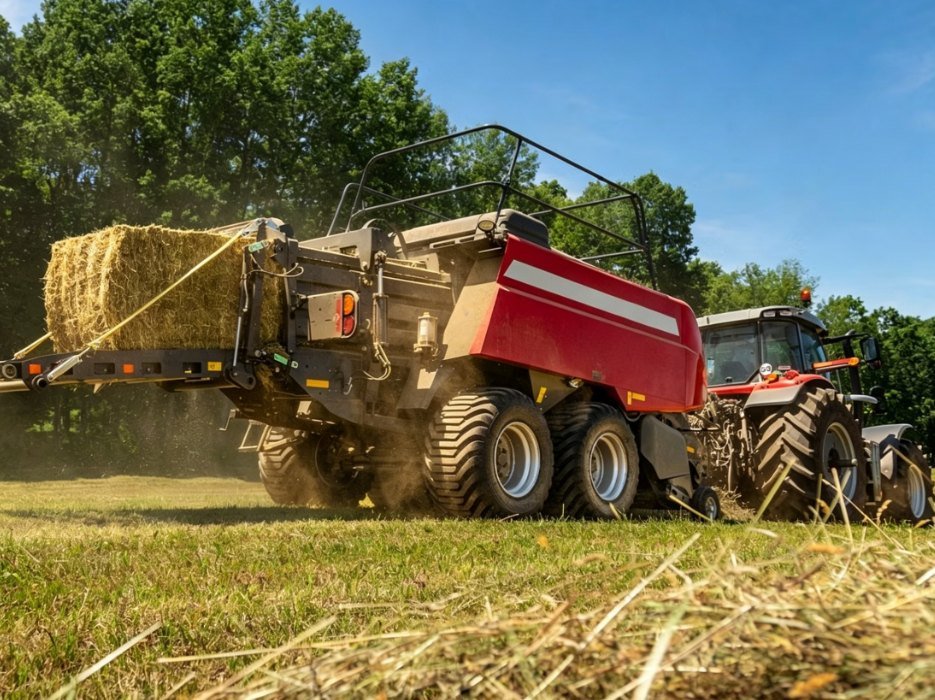
Sectional and Monoblock Multi-Way Valves in Heavy Construction
Heavy machinery requires reliable directional control for lifting, digging, steering, and auxiliary functions.
- KYDACDCV60 & DCV100 Series Sectional Valves: These sectional designs are suited to machines requiring multiple hydraulic work sections and higher flow capability.
- KYDACDCV45 Series Monoblock Valve: The compact monoblock construction provides centralized control for smaller engineering machinery and mobile hydraulic systems.
As a multi-way hydraulic valve manufacturer and sectional directional control valve manufacturer, KYDAC supports different valve structures according to circuit complexity and installation space.
High-Precision Solenoid and High-Flow Valves in Agriculture and Industrial Machinery
Agricultural and industrial equipment may require electrically controlled directional valves or higher-flow manual valve systems.
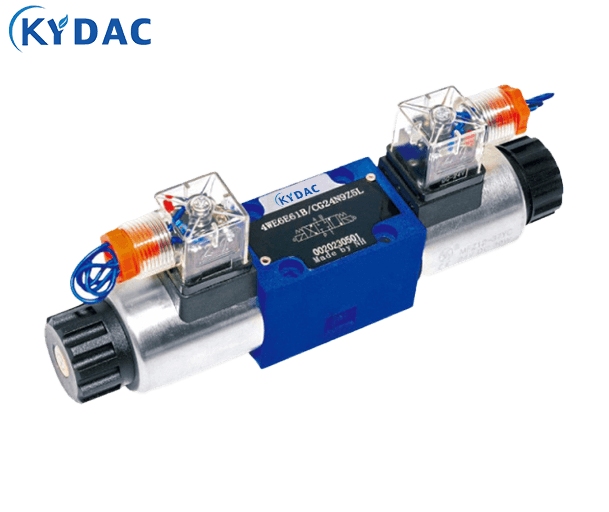
- KYDAC4WE6E61B/CG24N9Z5L Solenoid Valve: Designed for directional switching in electrically integrated hydraulic systems.
- KYDACP120 Series Monoblock Valve: Suitable for applications requiring higher flow through a compact valve body.
Matching these products correctly depends on pressure, flow, actuator behavior, and the level of hydraulic valve engineering support available during specification.
Partnering with a Premier Hydraulic Valve Manufacturer China
Direct collaboration with an experienced directional control valve manufacturer can improve technical communication, customization, and supply-chain coordination.
Comprehensive Hydraulic Valve Engineering Support
Engaging directly with fluid power engineers helps move equipment projects from initial concept to serial production.
- Full-Process Hydraulic Valve Customization: A custom hydraulic valve manufacturer can support schematic review, valve structure selection, custom spool configuration, custom hydraulic port configuration, and prototype development.
- Hydraulic Valve Engineering Support: Professional hydraulic valve engineering support can assist with flow selection, circuit matching, installation considerations, and troubleshooting.
- Global Supply Resilience: Partnering with a reliable hydraulic valve manufacturer China such as KYDACcan simplify sourcing for OEM and international equipment projects.
Upgrade Your Fluid Power Systems Today
Looking to improve hydraulic control, equipment reliability, or valve integration? Partner with KYDAC, an experienced hydraulic valve manufacturer, OEM hydraulic valve manufacturer, and directional control valve manufacturer, for standard and customized solutions.
Contact KYDAC today to discuss hydraulic valve customization, production requirements, and technical specifications for your next machinery project.
FAQ
Q: What should buyers evaluate when choosing a hydraulic valve manufacturer?
A: Evaluate hydraulic valve production capacity, machining capability, hydraulic valve quality control, hydraulic valve performance testing, customization capability, engineering support, and batch traceability.
Q: How does a custom spool configuration improve machine performance?
A: A custom spool configuration allows metering characteristics and spool functions to be matched more closely to actuator behavior, helping improve controllability and hydraulic circuit performance.
Q: Why is hydraulic valve batch consistency important for OEM buyers?
A: Hydraulic valve batch consistency helps ensure that production valves perform similarly to approved samples, reducing assembly variation and unexpected machine behavior across serial production.
Q: When should I work with a sectional directional control valve manufacturer?
A: Choose a sectional directional control valve manufacturer when your machine requires modular work sections, multiple actuator circuits, or greater flexibility for circuit expansion.
Related News
Leave a Message
If you are interested in any product, please contact us. We will introduce our products to you in more detail


