

DCV45 vs DCV100 vs DCV140: Choose the Right Hydraulic Valve
Time : Sep 10, 2026 View : 17
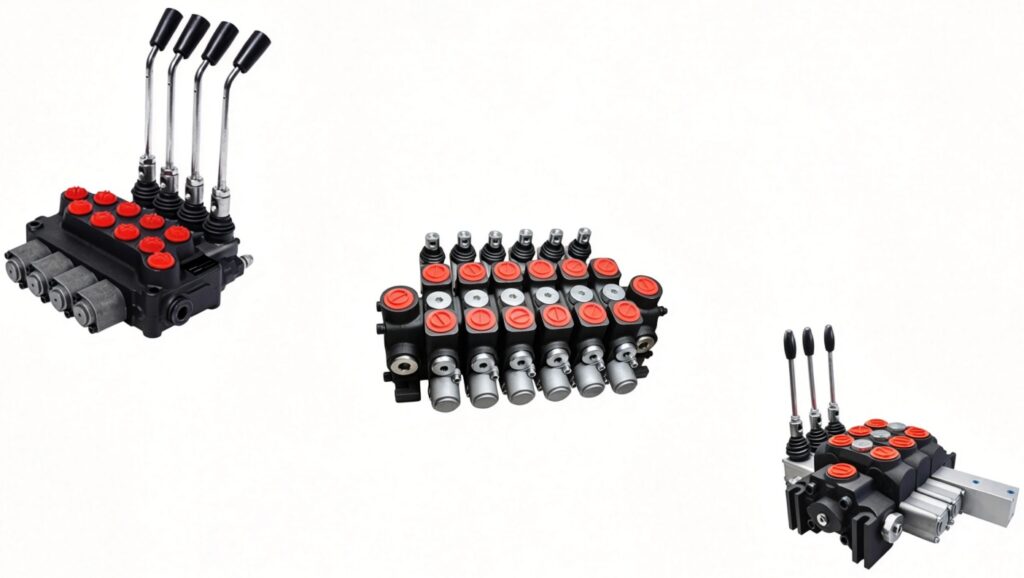
In high-pressure hydraulic systems, selecting the wrong size for a multi-way directional control valve often brings efficiency problems. Undersized valves cause too much pressure drop, heat up the oil, and slow down the actuators. Oversized parts increase system cost and weight. When looking at DCV45 vs DCV100 vs DCV140, engineers and OEMs weigh flow capacity, working pressure, valve structure, and circuit needs. Good hydraulic directional valve selection keeps actuator control smooth, pressure loss under control, and operation steady in tough conditions.
As a specialized hydraulic directional valve manufacturer, KYDAC supplies fluid power components for construction machinery, mobile equipment, mining systems, and other hydraulic uses.
Understanding Hydraulic Directional Valve Selection and Flow Sizing
Selecting the correct directional control valve requires matching system flow and pressure requirements with the valve’s rated capacity. Proper hydraulic valve flow rate selection helps reduce pressure loss, overheating, and unnecessary energy consumption.
Core Parameters for Sizing a Hydraulic Directional Valve
Before picking a valve model, check these key operating parameters:
- Maximum System Flow Rate: First, find the highest pump flow. This helps decide how to size a hydraulic directional valve. Pick a valve that handles the needed flow without high fluid speed or extra restriction.
- Operating Pressure Capacity: Make sure the valve body, seals, and parts handle the system’s usual working pressure.
- Actuator Circuit Count: Figure out how many cylinders or motors need separate or linked control when setting up a multi-way directional control valve.
Structural Differences: Monoblock vs Sectional Hydraulic Valve Designs
It is important to comprehend monoblock and sectional hydraulic valve designs before considering the design of a machine.
- Monoblock Directional Control Valve: A monoblock directional control valve is designed with only one piece of a valve body to form a compact and simple system with minimal inter-section sealing.
- Sectional Directional Control Valve: Sectional directional control valves use multiple sections put together to form the whole valve.
The selection of either a monoblock or sectional hydraulic valve design will be dependent on different considerations.
Deep Dive Comparison: DCV45 vs DCV100 vs DCV140 Features and Specifications
The DCV45 vs DCV100 vs DCV140 comparison shows how increasing flow capacity and different valve architectures suit different machine sizes. Proper hydraulic valve flow rate selection should be based on actual pump flow rather than simply choosing the largest available valve.
KYDAC DCV45 Monoblock Directional Control Valve: Compact High-Pressure Efficiency
The KYDAC DCV45 directional control valve is designed for compact hydraulic systems requiring controlled flow and a space-efficient valve body.
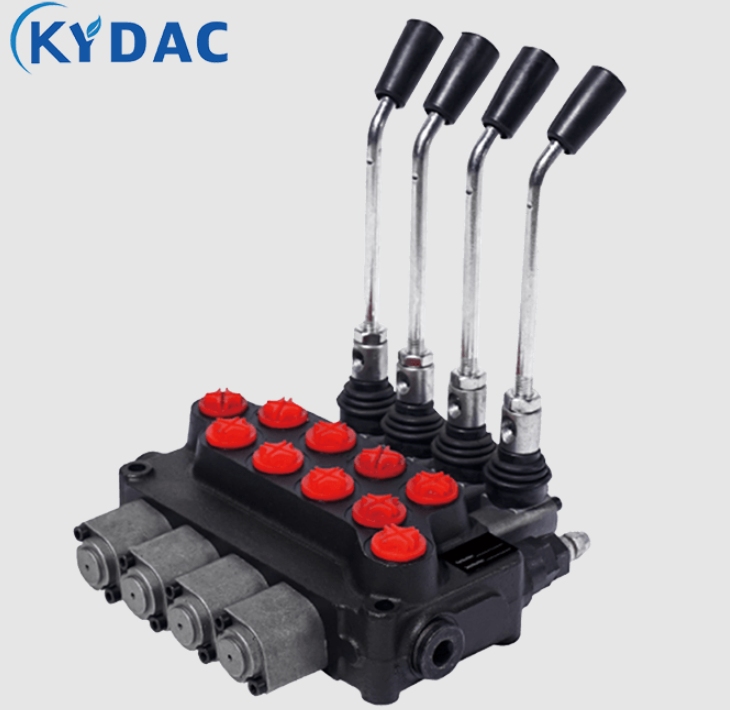
- Flow Capacity: The DCV45 directional control valve provides a nominal flow capacity of approximately 45 L/min for small and medium hydraulic actuators.
- Pressure Resistance: Its one-piece cast iron housing is designed for demanding hydraulic operating conditions.
- Integrated Design: The monoblock directional control valve configuration supports multiple work sections within a compact body, reducing external connections between sections.
For compact machines, the DCV45 directional control valve offers a practical balance between flow capacity, installation space, and circuit control.
KYDAC DCV100 Sectional Directional Control Valve: Mid-to-High Flow Modular Flexibility
The KYDAC DCV100 hydraulic valve is suitable for machines requiring higher flow and modular circuit configuration.
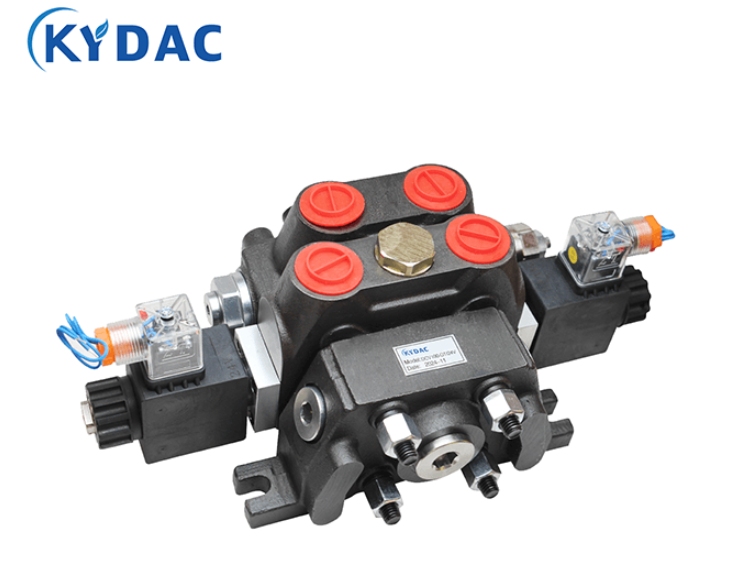
- High Flow Performance: The DCV100 hydraulic valve functions as a 100 L/min hydraulic valve, supporting higher-flow cylinders and hydraulic motors.
- Modular Sectional Construction: Its sectional directional control valve architecture allows multiple work sections to be combined according to machine requirements.
- Application Flexibility: A 100 L/min hydraulic valve is suitable for medium-to-heavy equipment where several hydraulic functions must be controlled within one valve assembly.
KYDAC DCV140 Sectional Directional Control Valve: Heavy-Duty Maximum Flow Delivery
When comparing DCV100 vs DCV140, flow needs and actuator size often come first.
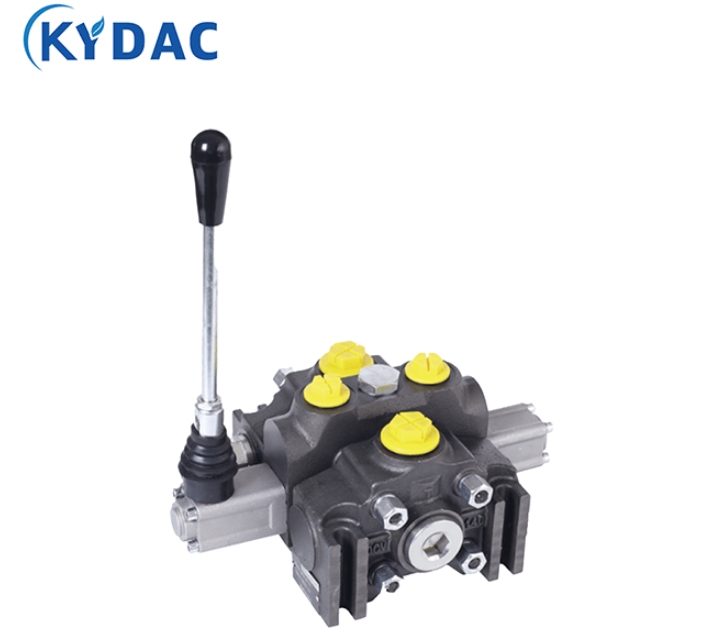
- High Flow Capacity: The DCV140 hydraulic valve handles 140 L/min. It works well with bigger cylinders and stronger pumps.
- Heavy-Duty Build: The DCV140 hydraulic valve has a sectional design. This makes it fit for tough machines in the field.
- Modular Customization: The 140 L/min hydraulic valve lets you add sections and extra options to match the circuit.
In high-flow setups, pick between DCV100 vs DCV140 by checking pump max, how many actuators run at once, pressure loss, and room to grow later.
Application Scenarios: Matching the Valve to Your Specific Machine Needs
Real-world equipment efficiency depends on matching valve structure and flow capacity to actual actuator requirements. Correct hydraulic directional valve selection helps avoid hydraulic stutter, excessive heat, and unnecessary system losses.
Applications for the DCV45 Monoblock Valve in Compact Equipment
The DCV45 directional control valve is suited to space-constrained machinery where compact construction is important.
- Small Excavators and Loaders: A monoblock directional control valve can manage boom, arm, bucket, or auxiliary hydraulic functions within a compact installation area.
- Garbage Compactor Trucks: The DCV45 can control compaction cylinders and other hydraulic functions requiring repeated operating cycles.
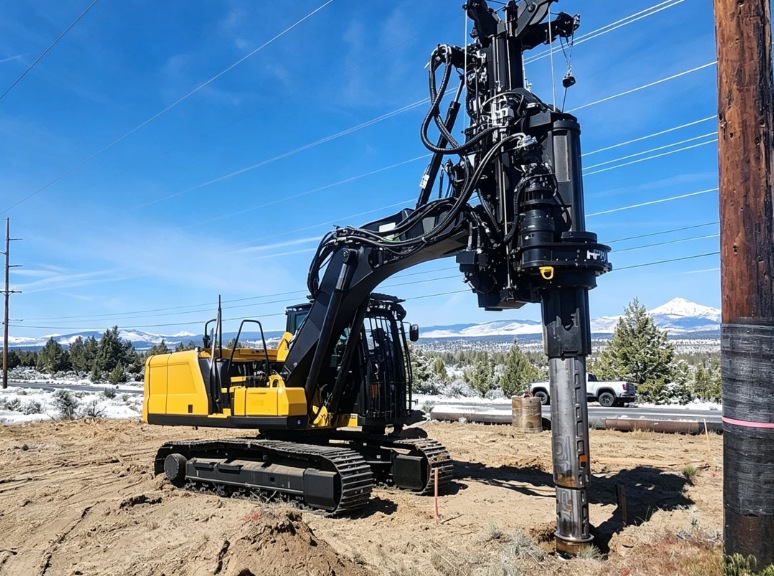
- Engineering Drill Rigs: The valve can regulate feed cylinders, clamping mechanisms, and other compact hydraulic circuits.
Applications for the DCV100 and DCV140 Sectional Valves in Heavy Machinery
Higher-flow sectional directional control valve designs are more suitable where multiple large actuators require substantial oil flow.
- Large Construction Machinery: The DCV100 hydraulic valve can serve medium-to-high flow systems requiring a 100 L/min hydraulic valve.
- Heavy-Duty Mining Equipment: The DCV140 hydraulic valve is more suitable where a 140 L/min hydraulic valve is needed to supply large cylinders or motors.
- Marine & Drilling Systems: Modular sectional valves allow multiple hydraulic functions to be arranged according to system requirements.
Practical Decision Guide for Hydraulic Directional Valve Selection
A structured hydraulic directional valve selection process should consider system flow, working pressure, circuit count, valve architecture, and installation constraints.
Key Steps to Size and Select Your Hydraulic Directional Valve
These are critical considerations to follow while sizing a hydraulic directional valve:
- Step 1: Determine Total Flow: Ensure maximum pump flow matches valve capacity. DCV45 is recommended for applications of up to 45 L/min, DCV100 for 100 L/min, and DCV140 for 140 L/min hydraulic valves where more flow is necessary.
- Step 2: Choose Design: Choose a monoblock directional control valve if space is a priority, and a sectional directional control valve in case of modularity and customization of circuits.
- Step 3: Validate Specifications: Ensure that you validate pressure, port size, actuator compatibility, and simultaneous flow before choosing a hydraulic valve flow rate.
Need professional guidance in choosing a hydraulic directional valve? Contact KYDAC, a specialist hydraulic directional valve manufacturer, to inquire about DCV45 vs DCV100 vs DCV140 and request a customized one according to your machine needs.
FAQ
Q: What will happen if I use the hydraulic valve with a flow rate less than the output of my pump?
A: Improper hydraulic valve flow rate selection might cause higher pressure drop, heat, and increased actuator response time. The valve should be selected according to the maximum flow from the pump.
Q: What is the major difference between monoblock and sectional hydraulic valves?
A: The monoblock directional control valve will have a one-piece compact design, whereas the sectional directional control valve has high flexibility in mounting work sections.
Q: Which is better – the DCV100 vs DCV140?
A: The decision concerning DCV100 vs DCV140 depends on your needs regarding flow. Use the DCV100 hydraulic valve in case of a need for a 100 L/min hydraulic valve, and the DCV140 hydraulic valve if 140 L/min is needed.
Q: How do I properly size a hydraulic directional valve?
A: In order to determine how to size a hydraulic directional valve, consider maximum pump flow, working pressure, actuator requirements, number of circuits, pressure drop tolerance, port size, and structure (monoblock or sectional).
Related News
Leave a Message
If you are interested in any product, please contact us. We will introduce our products to you in more detail


