

Stop Valve Failure: Expert Solenoid Troubleshooting Guide
Time : May 01, 2026 View : 197
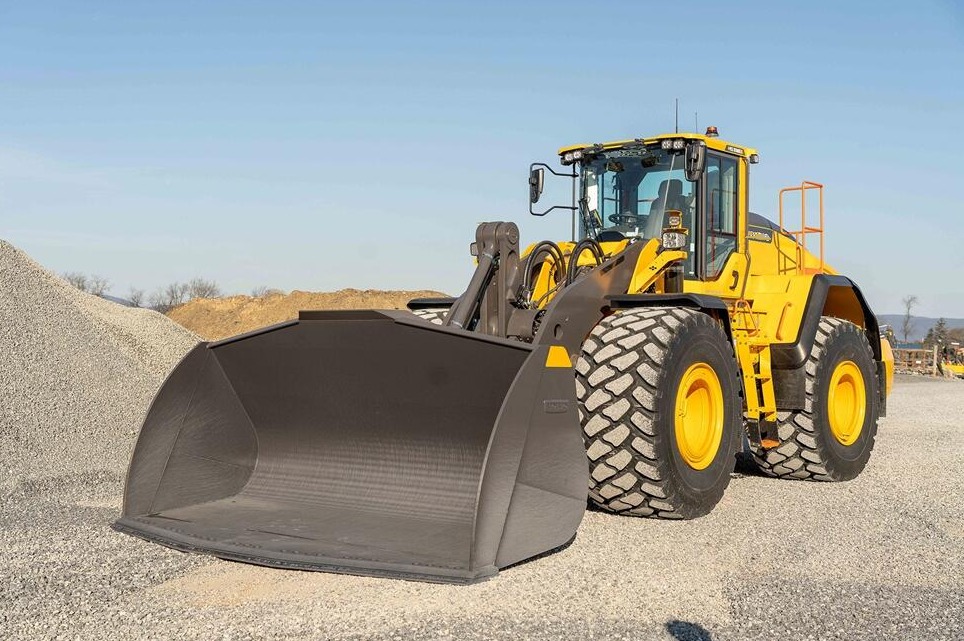
In heavy machinery and industrial setups, a stopped hydraulic system causes more than a small hassle. It hits your wallet hard. Picture a 20-ton excavator at a building site or a fast injection molding setup in a plant that halts because the directional control valve does not move. The solenoid often plays the key role here. It turns electrical signals into physical action.
At KYDAC, we know reliability keeps your work running smoothly. As a focused maker of hydraulic control valves, solenoids, and check valves, we have reviewed countless on-site breakdowns. This led us to create this detailed troubleshooting list. If your valve fails to shift, use these steps to spot the reason and resolve it.
Understanding the Core: Why Directional Valves Fail
A directional control valve needs a careful mix of electrical power, mechanical accuracy, and clean fluid. When a solenoid-driven valve does not shift, the trouble typically fits into one of three areas: electrical problems with the coil, physical blocks in the spool, or uneven hydraulic pressures.
The Electrical Breakdown: Solenoid and Power Issues
Before you disassemble the valve housing, always inspect the system’s electrical parts first.
- Voltage Drops: Solenoids need an exact voltage to create sufficient magnetic pull for the plunger. A mere 10% drop in voltage might lead to a partial shift, where the spool edges over but does not fully clear the ports.
- Burned-Out Coils: Running in hot conditions for long periods or using the wrong voltage can melt the coil’s inner wires.
- The “Click” Test: A working solenoid makes a clear metallic click when powered. No sound means the electrical connection is faulty.
Mechanical and Fluid-Based Checklist
If power flows correctly, yet the valve stays stuck, the fault likely lies in the physical side.
Sticking Spools and Contamination Control
Dirt in hydraulic oil acts as the hidden destroyer of directional valves. Tiny bits can jam between the spool and its housing.
- Silt Lock: If a valve sits in one spot for too long, small particles build up in the gaps. This friction can overpower the solenoid’s pull.
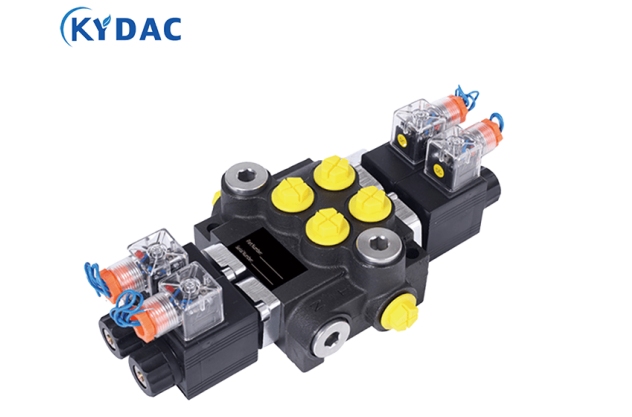
- KYDAC Solution: Our SD Series Electromagnetic Controlled Directional Valvesuse finely finished bores and tough spools. Such careful building cuts down on silt lock risks. It helps in tough B2B settings like metal work or waste pressing.
Pressure Imbalance and Spring Fatigue
- Back Pressure: High pressure at the tank port can push against the solenoid plunger’s motion. Make sure return lines stay clear.
- Broken Centering Springs: Many valves rely on springs to hold the spool in neutral. A cracked spring might let the spool slip or stick halfway, blocking a complete shift.
Why Choosing High-Quality Solenoids Matters: The KYDAC Advantage
Solenoids vary in build quality. In setups with frequent use, a cheap valve could break after just hundreds of thousands of operations, causing regular stops.
Engineering Resilience: SD and DCV Series Solutions
At KYDAC, our approach focuses on steady performance amid tough demands.
- Rapid Response Times: Our DRVP6 and DVP6 series solenoid valves deliver quick action in milliseconds. This speed proves vital for timed production lines where delays cost time.
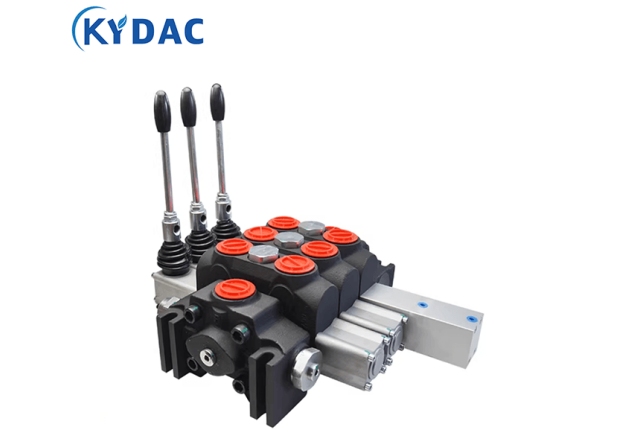
- Durability in Harsh Conditions: The KYDAC DCV Series, including models like DCV100 and DCV140 multi-way valves, handles the strains of farm and building tools. They include special seals that stand up to heat breakdown and fluid damage.
- Precision Control: Our monoblock valves, such as the BDL-40 and ZT-L12, offer exact flow management. Combining strong solenoids with solid bodies, they tackle spool hunting. This issue happens when valves struggle to settle under changing loads.
Beyond Troubleshooting: How KYDAC Parts Conquer Operational Challenges
To go past theory, consider practical uses where these parts fix key problems.

- Industrial Robotics & Automation: In assembly lines run by machines, a solenoid glitch can shut down a whole plant. KYDAC’s fast solenoids keep robotic arms and belts moving accurately. They cut down on sudden jerks and lengthen the span of connected parts.
- Heavy-Duty Construction: Excavators and demolition tools, similar to those from brands like METDEEM, face strong shakes. Our SD Series valves endure high vibrations. Tests show they keep solenoids secure and spools straight.
- Agricultural Equipment: Tractors and crop machines work in dusty fields. The protected coil setup in KYDAC items blocks water and grit entry. This avoids the shorts that plague weaker valves.
Maintenance Best Practices for Long-Term Reliability
Stopping issues before they start saves money over repairs. Stick to these three guidelines to maintain your KYDAC valves.
- Filter Religiously: Keep up with hydraulic filters. A dirt-free system runs without hitches.
- Monitor Temperature: Too much heat thins oil and strains solenoid wires. Target a range of 40°C to 60°C for operation.
- Periodic Cycle Testing: After idle periods, run the valves by hand. This clears silt buildup and checks if springs still work freely.
Conclusion
A directional control valve that refuses to shift presents a puzzle with few parts. By using this troubleshooting list—testing voltage, looking for dirt, and confirming pressure—you can pinpoint the cause fast.
Still, the smartest fix starts with parts built to endure. KYDAC supplies worldwide chains with solid hydraulic options, from small gear pumps to accurate monoblock valves. With 24 years in the field and ISO/TS16949 approval, fitting a KYDAC valve means adding dependable operation.
Ready to upgrade your system’s reliability?
Reach out to KYDAC now for a tailored price on our SD, DCV, and ZDL series valves. Our team stands ready to match the right one to your needs.
FAQ
Q: Can a solenoid coil be replaced without removing the entire valve?
A: Yes, most KYDAC valves use a “wet-tube” setup. This lets you change coils simply. You do not need to break the hydraulic seal.
Q: Why does my solenoid valve hum or buzz when energized?
A: Humming often comes from a weak power supply, a stuck plunger, or AC noise in the wiring. Look for blockages in the mechanism right away.
Q: How does oil viscosity affect shifting time?
A: Thick oil raises drag on the spool. It slows shift speeds, mainly during cold-weather starts.
Q: What is the average lifespan of a KYDAC hydraulic solenoid?
A: With regular care and clean fluid, our solenoids last for millions of shifts. A 2-year warranty backs this up.
Q: Can I manually override a solenoid valve if the power fails?
A: Yes, most SD and DCV Series models have a manual button or lever. It supports emergency use and basic checks.
Leave a Message
If you are interested in any product, please contact us. We will introduce our products to you in more detail


