

Decoding LSHT Hydraulic Orbital Motors: Benefits & Uses
Time : Jul 23, 2026 View : 83
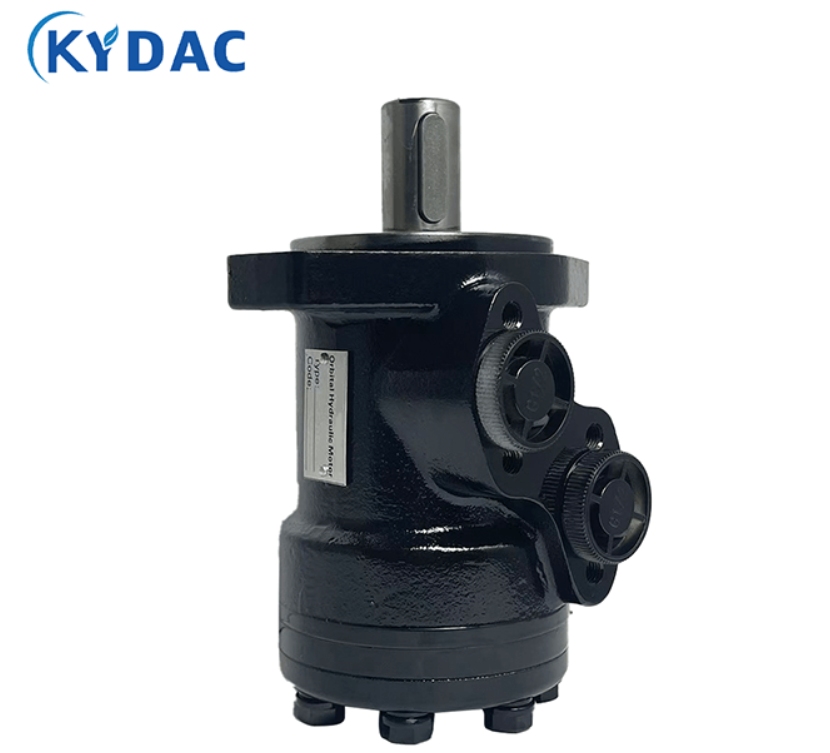
Heavy machinery and industrial automation place real demands on power transmission parts. These parts must perform well even in rough conditions. Low-speed high-torque (LSHT) systems sit at the heart of this work. They give the steady turning power needed for tough jobs.
KYDAC produces hydraulic components with attention to detail. The company supplies complete drive packages that pair durable valves with matching hydraulic orbital motors. Years of focused engineering have supported clients worldwide. They receive steady speed control along with strong torque output in daily use.
Introduction to Low-Speed High-Torque (LSHT) Technology
Choosing the right drive unit matters for long machine life. It also helps limit unexpected stops on the factory floor.
Why Modern Machinery Relies on LSHT Solutions
Standard high-speed hydraulic orbital motors need extra gear sets to reach useful torque levels. These sets add size and create more points where trouble can start.
- Simplified Drive Train Architecture: A hydraulic orbital motor lets engineers skip large gearboxes. This reduces wear on moving parts and keeps the drivetrain layout simple.
- Consistent Torque Output: These hydraulic orbital motors hold high torque steady at low speeds. They deliver smooth starting force and manage heavy loads without pause.
- Compact Integration Capability: The small size of an LSHT hydraulic orbital motor fits tight machine layouts where standard electric or mechanical drives would not work well.
Technical Advantages of KYDAC Hydraulic Orbital Motors
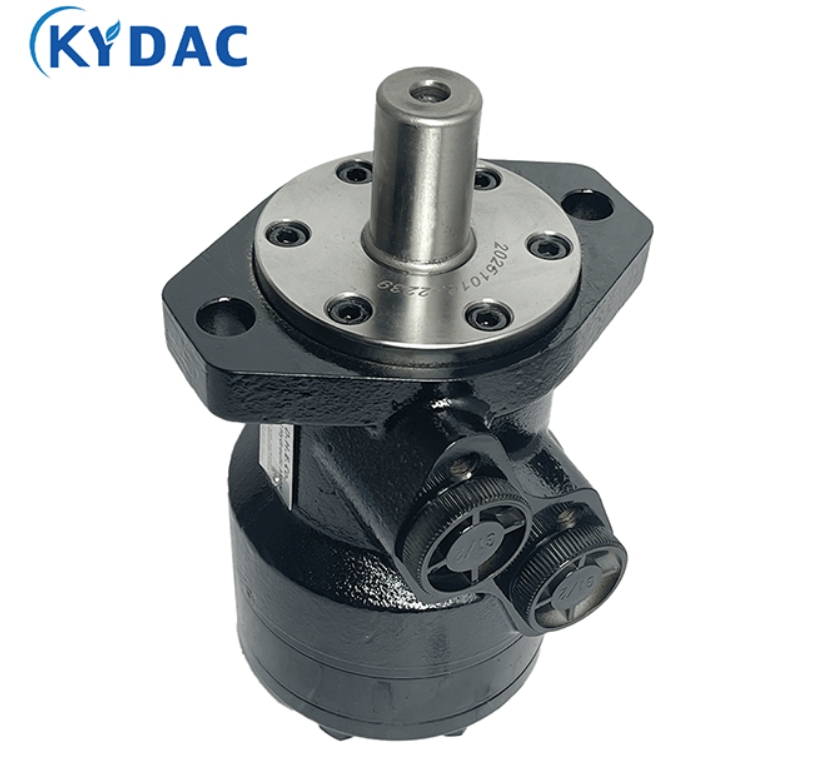
Understanding the engineering details behind our hydraulic orbital motor product line helps technical teams choose components that match their precise technical requirements.
Superior Power Density and Mechanical Efficiency
Our comprehensive cycloidal product line—featuring the BMP Series, BMR Series, BMH Series, and BMM Series—is designed to deliver exceptional power-to-weight ratios under constant stress.
- High Volumetric Efficiency: Each cycloidal hydraulic orbital motor utilizes precision-profiled rotors that minimize internal fluid bypass, ensuring optimal energy conversion and reducing heat generation.
- Optimized Shaft Seal Reliability: Engineered with heavy-duty shaft seals, our hydraulic orbital motors mitigate oil leakage risks and withstand high backpressure without requiring external drain lines in most circuits.
- Broad Displacement Options: With various displacement configurations across the BMP and BMR series, these units allow system designers to perfectly match pressure profiles to target output speeds.
Seamless Control Integration with Premium Valves
An orbital drive is only as precise as the control valves governing its fluid direction, pressure dynamics, and volumetric flow rates.
- Integrated Valve Compatibility: Our hydraulic orbital motor units integrate flawlessly with the KYDAC DRVP6-40 rapid response hydraulic solenoid valve series, delivering precise starting, stopping, and reversing actions.
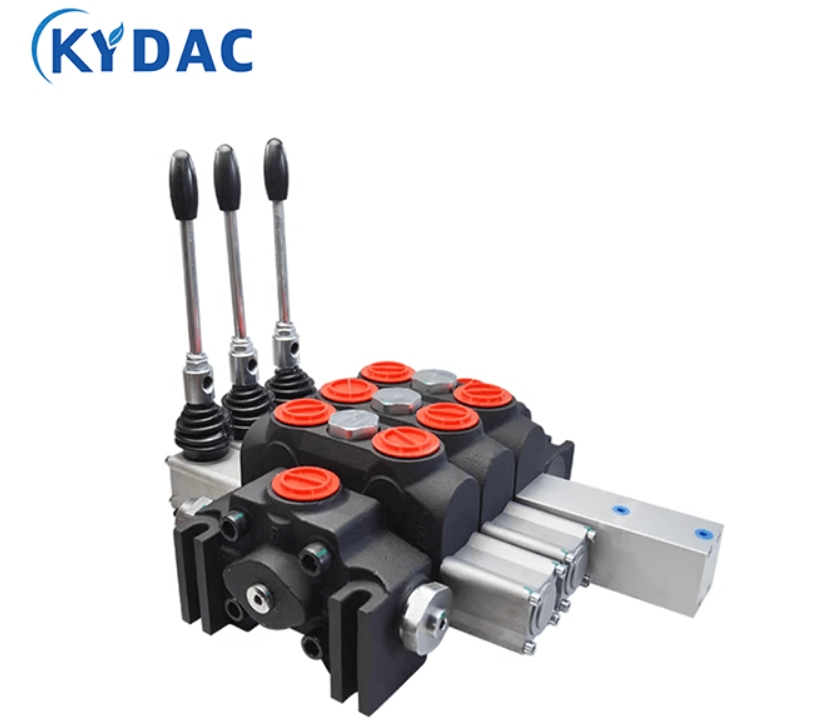
- Proportional Flow Control: Connecting our hydraulic orbital motors to the DCV Series multi-way directional control valves ensures smooth acceleration curves, preventing sudden pressure spikes from damaging the internal drive components.
- Robust System Protection: Utilizing our complementary check valves and pressure relief modules prevents hydraulic shock, ensuring that both the hydraulic orbital motor and the broader hydraulic system operate within safe parameters.
Industrial Applications: Where the Hydraulic Orbital Motor Drives Performance
Transitioning from abstract concepts to practical installations highlights the versatility and problem-solving capability of orbital driving systems.
Boosting Agricultural and Forestry Productivity
Agricultural and forestry operations expose machinery to fine dust, variable humidity, and continuous heavy loads that require durable power transmission components.
- Harvester Header Drives: Operating a high-performance hydraulic orbital motor on grain harvesting headers ensures stable rotational speeds across fluctuating crop densities, optimizing crop feeding.
- Seed Drill Metering Systems: The precision low-speed control of the BMM Series allows for accurate seed distribution, helping farmers avoid wasted seeds and achieve uniform crop planting.
- Timber Forestry Feeders: Equipped with our BMH Series motors, heavy logging equipment handles high-torque feeding sequences smoothly, resisting the shock loads encountered during tree trunk processing.
Heavy Duty Performance in Construction and Industrial Automation
On construction sites and manufacturing lines, equipment must perform continuous high-torque operations reliably under extreme heat and pressure.
- Conveyor Driving Systems: Integrating a robust BMR or BMP hydraulic orbital motor onto heavy quarry conveyors keeps bulk materials moving smoothly without starting failures under full loads.
- Industrial Mixing Equipment: In chemical and cosmetics processing, our hydraulic orbital motors maintain consistent rotation in highly viscous materials, preventing motor stalls and protecting batches.
- Sweeper and Utility Vehicles: Standard utility vehicles rely on these hydraulic orbital motors to power brush drives, ensuring constant sweeping torque regardless of changes in vehicle travel speeds.
Selecting and Maintaining Your Hydraulic Orbital Motor
Ensuring maximum operational lifespan requires diligent planning during the initial system design and selection phase.
Crucial Selection Criteria for Severe Working Conditions
Selecting the perfect unit involves more than matching shaft dimensions; it requires evaluating real-world system loads and environment dynamics.
- Calculate Continuous vs Peak Torque: Always size your hydraulic orbital motor based on its continuous operating pressure limits rather than peak values to prevent premature component fatigue.
- Verify Radial and Axial Shaft Loads: If your application involves direct belt drives or heavy overhung loads, verify that the selected series’ bearing design can support those specific forces.
- Ensure Fluid Cleanliness and Thermal Stability: Clean fluid is vital; pairing your hydraulic orbital motor with high-quality filtration and efficient cooling loops helps sustain proper oil viscosity and extends internal seal lifespans.
Conclusion
At KYDAC, we do more than supply parts. We build complete fluid power systems that fit together well. Our hydraulic orbital motor series works with solenoid valves and directional control systems. This mix gives machines steady operation and extra years of use.
Need stronger drive performance from your equipment? Contact the KYDAC engineering team. They can review your OEM needs and run a full system check.
FAQ
Q: What is the primary difference between a gear motor and a hydraulic orbital motor?
A: A gear motor handles high speeds with low torque. A hydraulic orbital motor follows a different route. It uses a gerotor or geroler design. This setup delivers strong torque at low speeds. No reduction gears are required.
Q: Can a hydraulic orbital motor run continuously in both directions?
A: Yes, most orbital motors run in both directions. Smooth direction changes need solid circuit design. High-quality valves make this possible. The KYDAC DCV series manages pressure shifts without issues.
Q: How does internal leakage affect the performance of an LSHT motor?
A: Minor internal leakage is designed into the system for lubrication. However, excessive wear increases this leakage, which reduces the volumetric efficiency of the hydraulic orbital motor, leading to speed drops under heavy operational loads.
Q: Why is a case drain line recommended for some orbital motor installations?
A: A case drain line diverts internal leakage from the motor housing back to the reservoir. This prevents excessive pressure build-up against the shaft seal, protecting the seal from rupture when high backpressures are present in the return line.
Leave a Message
If you are interested in any product, please contact us. We will introduce our products to you in more detail


