

Master Hydraulic Valve Selection: New vs. Replacement Guide
Time : Jun 12, 2026 View : 257
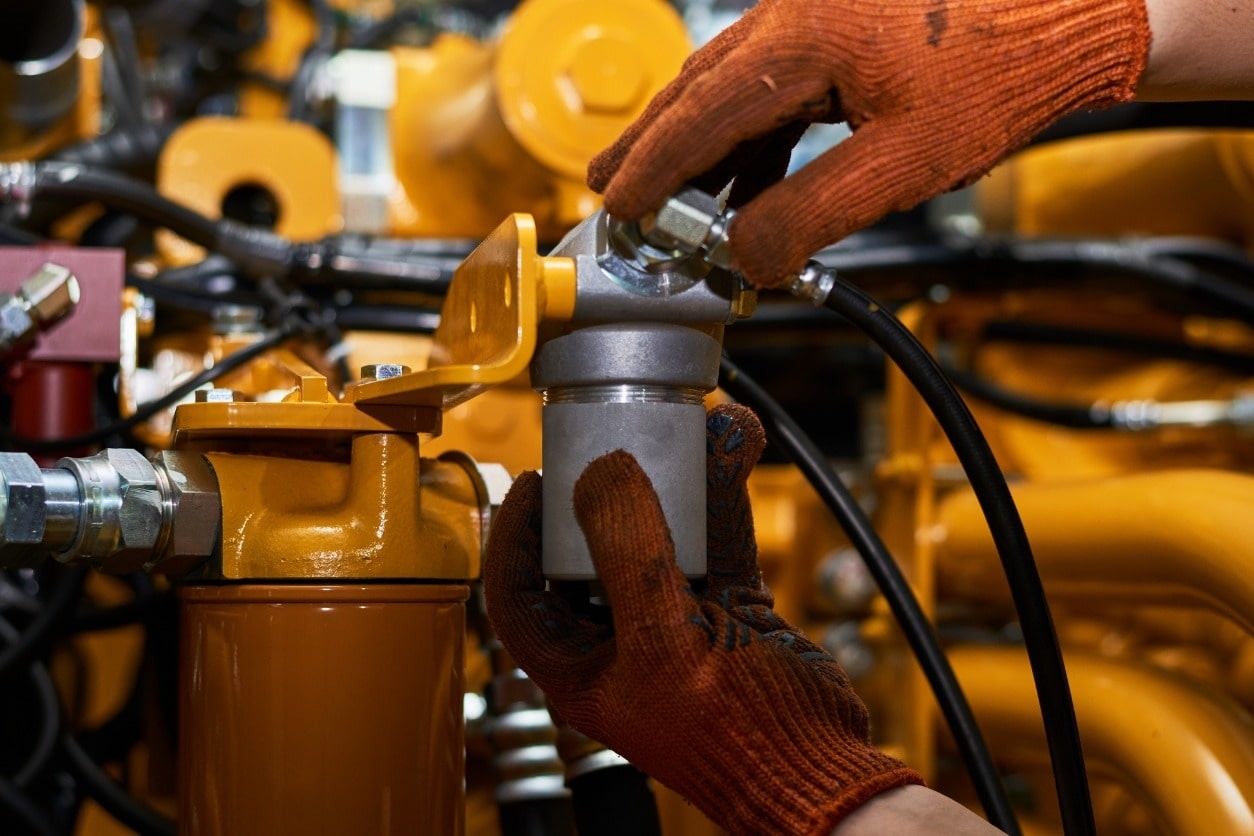
In high-pressure fluid systems, picking a new hydraulic valve or a drop-in replacement affects how well heavy machines run, their safety, and service life. You may build an engineering vehicle from the start or fix a failing unit in the field. Either way, the choice of directional, flow, or pressure control parts calls for clear technical trade-offs.
KYDAC builds hydraulic control valves, solenoid valves, and integrated valve groups that handle tough industrial and mobile settings. We rely on precision lines from Germany and Japan. These lines help cut internal leakage and hold steady calibration. The guide covers the main specs engineers review when comparing new and replacement valves.
Core Technical Criteria for Selecting New Hydraulic Valve Units
When developing new hydraulic systems for machinery, designers must look past generic catalog descriptions and analyze fluid dynamics, port matching, and actuation response profiles. Selecting a new unit allows you to implement modern geometric designs that handle higher flow rates with reduced pressure drops.
Directing High-Pressure Flows with Monoblock Valves
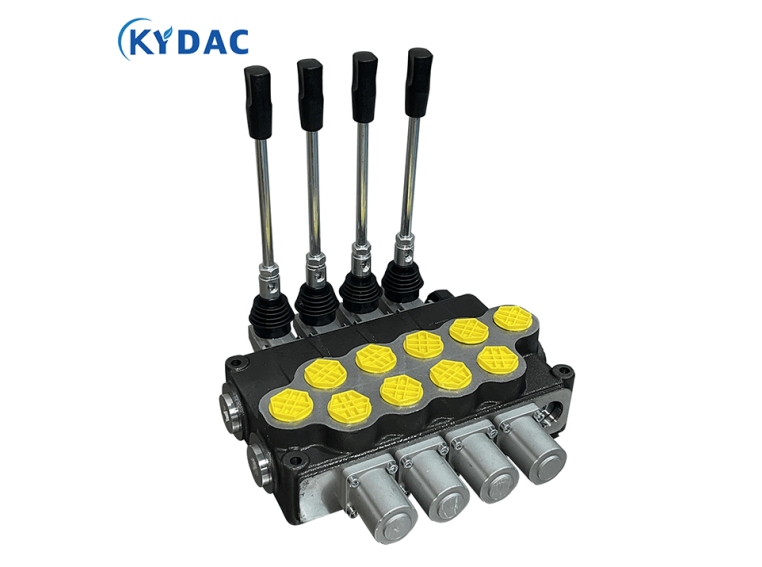
When integrating multi-circuit control into compact machinery, multi-way monoblock valves offer superior structural integrity over modular stackable configurations.
- Flow and Pressure Capacities: New units like the KYDAC ZT-L12 and P120 Multi Way Directional Valveseries support substantial flow capacities (up to 120 L/min for the P120) and high operating pressures, enabling precise control over multiple actuators simultaneously.
- Integrated Safety Features: These monoblock units feature built-in, adjustable primary relief valves and individual circuit check valves to prevent high-pressure oil backflow during concurrent cylinder operations.
- Operational Longevity: Machined on advanced CNC equipment, the tight tolerances between the spool and cast-iron housing eliminate standard spool-drift issues common in lower-grade alternatives.
Implementing Automated Control via Rapid-Response Solenoids
Modern electro-hydraulic systems need control valves that turn digital signals into quick, smooth flow changes.
- Response Speed and Duty Cycle: The KYDAC DRVP6-40 and DVP6-40 hydraulic solenoid valveseries give fast response times at full pressure. They fit automated production lines and industrial robotics.
- Voltage and Coil Customization: These valves use wet-pin AC/DC solenoids with sealed coils. The coils handle heat shifts and resist dirt.
- Energy-Efficient Circuitry: Better flow paths inside cut friction losses. This lowers energy use and stops oil from overheating in spots.
Technical Strategy for Sourcing Replacement Hydraulic Valves
Replacing a worn-out hydraulic valve on an active machine demands a different engineering approach than designing a new circuit. The priority shifts from optimizing theoretical system layout to matching historical mechanical interfaces and resolving chronic field wear.
Resolving System Internal Leakage and Wear Over Time
Extended operation in dusty engineering environments degrades internal valve seals and spools, causing fluid bypass that lowers machine productivity.
- Identifying Spool Wear: Internal leakage leads to hydraulic cylinder drift, where an excavator arm or agricultural loader bucket fails to maintain its position under static load.
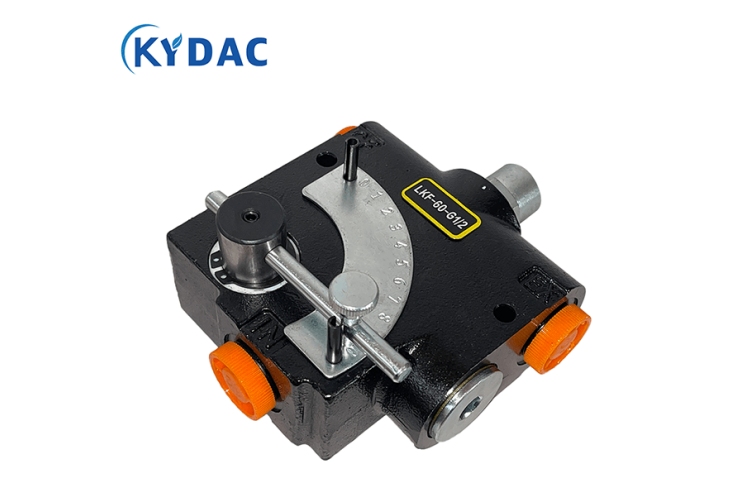
- Pressure Compensation Upgrades: Installing a specialized replacement like the KYDAC LKF-1 Series Pressure Compensated Variable Flow Control Valverestores exact speed control to fluid motors regardless of changing load pressures.
- Robust Material Hardening: Replacing standard valves with units utilizing hardened, precision-ground spools eliminates localized scoring caused by fine particulate contamination in older oil supplies.
Ensuring Complete Mechanical and Hydraulic Interchangeability
A replacement hydraulic valve must fit perfectly into the existing spatial envelope and match identical pressure-drop curves to prevent system shocks.
- Dimensional Envelope Matching: High-density mobile equipment has limited space, meaning replacement monoblock units like the KYDAC BDL-40 or DCV100 series must align perfectly with existing mounting holes and lever linkages.
- Port Configuration Integrity: Matching thread specifications (such as BSPP, SAE, or Metric O-ring boss ports) prevents thread stripping and eliminates chronic high-pressure leakage at fluid junctions.
- Flow Velocity Calibration: Installing a replacement valve with an incorrectly sized internal galling geometry can cause fluid cavitation, generating extreme acoustic noise and destroying downstream hydraulic pumps.
Industry-Specific Applications and Field Success
Hydraulic valves face tough daily conditions in heavy machines. Their design comes from hard use in industrial and mobile equipment. KYDAC components handle failures in large applications.
Heavy-Duty Engineering Machinery and Excavation Equipment
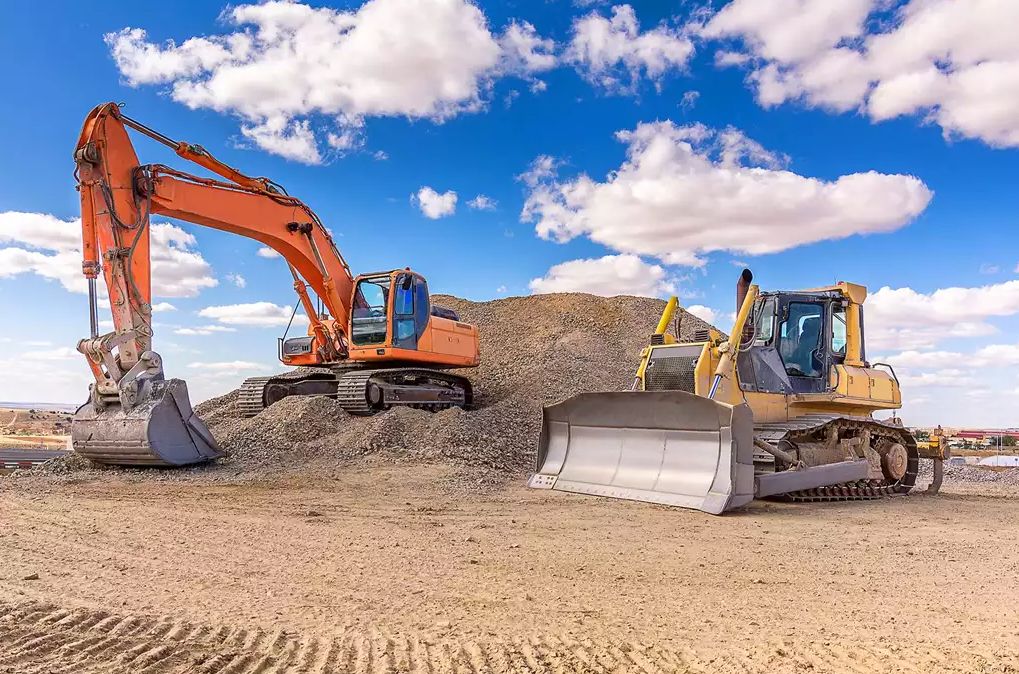
Excavators, track loaders, and mining machines create repeated pressure jumps. These can damage weaker valve blocks.
- Spike Mitigation Technology: KYDAC DCV Series valves use strong cast-iron bodies. They absorb shocks from fast digging work.
- Simultaneous Circuit Control: DCV140 and DCV60 Multi-Way Directional Control Valves let operators run boom, arm, and bucket moves together. Pressure stays steady on each circuit.
- Environmental Sealing: Tough spool wipers block dust and rock from entering the valve. Internal parts hold accuracy over years of use.
Precision Agricultural Equipment and Specialized Vehicles
Harvesters and support vehicles need simple control for repeated tasks.
- Proportional Feed Control: The KYDAC SD Electromagnetic Controlled Directional Control Valve fits grain harvesters. It adjusts feed rates from sensor data.
- System Simplicity: P40 and P80 series use a compact monoblock design. This cuts vehicle weight and removes extra hoses that risk leaks on rough ground.
- All-Weather Reliability: Special surface coatings protect valves from fertilizer and wet conditions in field storage.
Engineered Performance with KYDAC
Heavy machinery can lose uptime from fluid leaks, slow spool moves, or repeated failures. KYDAC provides industrial control valves made to ISO/TS16949 standards. These valves carry a 2-year warranty. You may need a custom OEM valve set from our 30-engineer team or a fast monoblock replacement. Our supply chain sends precise parts straight to your site. Reach out to our technical sales group about your flow, pressure, and actuation needs. They will prepare a full quote for you.
FAQ
Q: What are the primary indicators that a hydraulic directional control valve needs replacement rather than basic seal repair?
A: Cylinder drift under load keeps happening. Extra heat builds around the valve body. Actuator speed also drops in a clear way. These signs show serious wear between the spool and bore. Full replacement of the valve is required.
Q: How does a pressure-compensated flow control valve differ from a standard needle valve during system operation?
A: A standard needle valve sees flow changes when load pressure shifts. A pressure-compensated unit like the KYDAC LKF-1 adjusts by itself. It keeps fluid flow steady through the opening no matter how loads vary.
Q: What engineering risks occur when a replacement hydraulic valve has a higher flow rating than the original unit?
A: A higher rating avoids any restriction. But an oversized valve may cause less precise control. It can also slow the response when adjusting or creating fitting issues from larger body and port sizes.
Q: Why are wet-pin solenoid designs preferred over dry-pin solenoids in automated heavy industrial environments?
A: Wet-pin solenoids place the plunger in the hydraulic oil. These cushions shock on moving parts. It removes heat more easily and gets rid of the push-pin seals that often leak in dry designs.
Leave a Message
If you are interested in any product, please contact us. We will introduce our products to you in more detail


