

Why 2-Way Solenoid Valves Are Critical for Your Hydraulics
Time : Jun 06, 2026 View : 136
In modern heavy machinery and automated industrial environments, fluid power systems are continually pushed to their physical limits. System engineers consistently face a dual challenge: maximizing operational throughput while minimizing energy dissipation through fluid pressure drops and internal cross-port leakage. At the heart of solving these complex fluid dynamics stands the 2 position hydraulic solenoid valve, a compact yet vital component engineered to deliver rapid, repeatable binary control. As a premier fluid power manufacturer specializing in advanced control valves, KYDAC designs high-performance hydraulic components that directly translate these engineering challenges into reliable mechanical solutions for global supply chains.
The Core Working Principles of 2 Position Hydraulic Solenoid Valves
To optimize a fluid power system, one must first master the fundamental mechanics governing directional control elements.
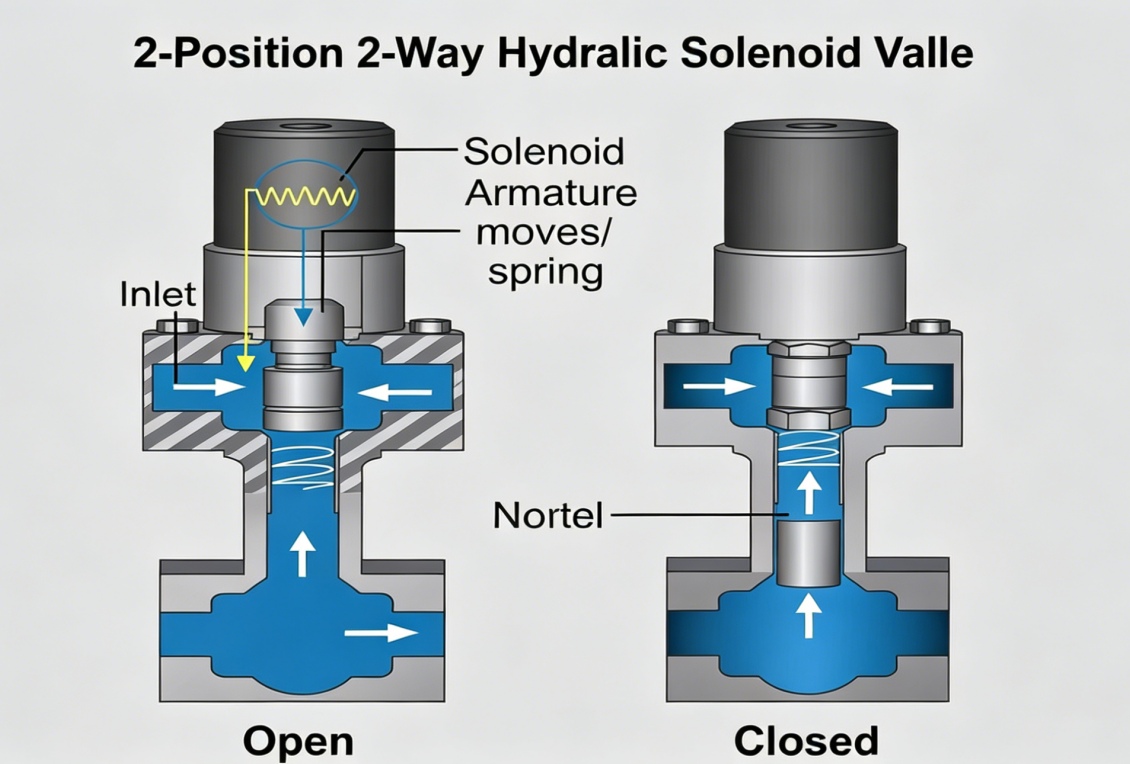
Understanding the 2-Position 2-Way Mechanics
Two-way solenoid valves work on a simple fluid switching idea. They serve as the main controls for routing hydraulic fluid.
- Binary State Switching: The valve switches between two states. It lets fluid flow freely or creates a tight seal to stop all flow.
- Solenoid Actuation Force: Electrical current powers the coil. This builds a magnetic field that moves the armature and shifts the spool against the return spring.
- Internal Flow Paths: The channels inside are machined to reduce turbulence. Fluid moves through the body with low energy loss.
Direct-Acting vs Pilot-Operated Configurations
Choosing the correct actuation method dictates how well a hydraulic system handles fluctuating flow rates and high working pressures.
- Direct-Acting Actuation: The electromagnetic force produced by the solenoid coil acts immediately upon the main valve spool, making it ideal for low-to-medium flow circuits requiring instantaneous shifting times.
- Pilot-Operated Mechanism: The solenoid controls a microscopic pilot fluid pathway that leverages the system’s inherent hydraulic pressure to shift a much larger main spool, allowing heavy flow loads to be managed with minimal electrical power draw.
- System Compounding Benefits: Matching the actuation type to the circuit’s volumetric flow preventing high-pressure spikes, directly protecting sensitive downstream actuators from premature wear.
How KYDAC Engineering Resolves Real-World Hydraulic Inefficiencies
Industrial operators cannot afford vague performance metrics when fluid power systems face harsh, continuous production schedules.
Eliminating Internal Leaking and Pressure Drop with DRVP6-40 and DVP6-40
The KYDAC DRVP6-40 and DVP6-40 2 position hydraulic solenoid valve models are designed specifically to eliminate the persistent issue of pressure drop in automation lines.
- Zero-Leakage Sealing Elements: Our DRVP6-40 and DVP6-40 valves utilize high-precision, hardened internal seats rather than standard sliding spools, establishing a physical barrier that stops internal cross-port fluid migration completely.
- Rapid Response Duty Cycle: Engineered with optimized electromagnetic coils, these models achieve shift response times measured in milliseconds, ensuring highly repetitive cycles do not cause thermal buildup.
- Energy-Efficient Geometries: The optimized flow cross-sections inside the DVP6-40 significantly lower fluid friction, allowing heavy machinery to maintain target pressures while reducing the workload on hydraulic gear pumps.
Multi-Circuit Management via SD Series Electromagnetic Valves
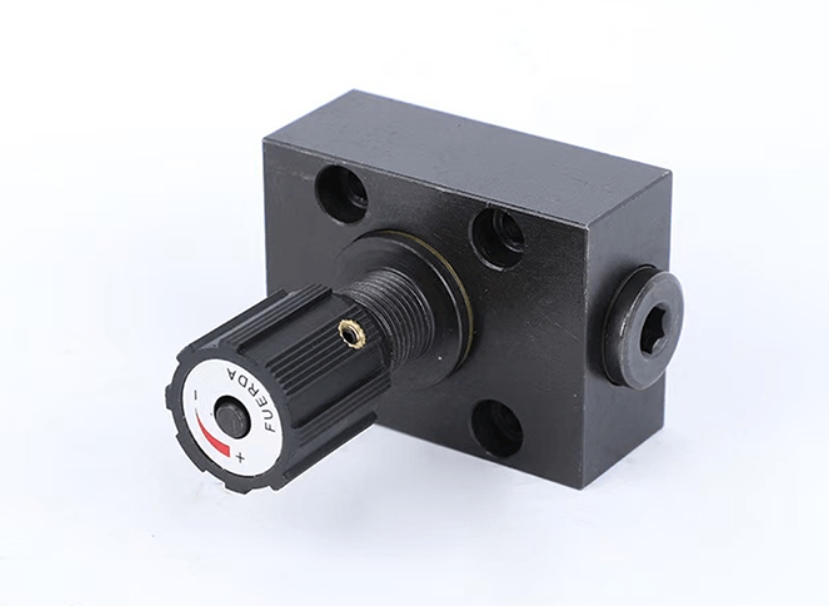
When mobile machinery demands coordinated, multi-axis fluid distribution, the KYDAC SD Series electromagnetic controlled directional valves deliver robust control across complex configurations.
- Modular Block Integration: The SD Series features a highly adaptable monoblock or sectional design, allowing multiple 2-position configurations to bolt together tightly to save space on crowded machine chasses.
- High Environmental Tolerance: Equipped with heavily insulated, weather-proof solenoid enclosures, these valves operate reliably through extreme temperature fluctuations and intense mechanical vibrations without signal degradation.
- Load-Sensing Compatibility: The internal spool dynamics of the SD Series integrate smoothly into modern load-sensing hydraulic networks, modulating fluid direction precisely as systemic work loads shift.
Where 2-Position Solenoid Valves Define Performance
Theoretical engineering parameters only matter when they are applied to solve problematic failure points in heavy industrial environments.
Precision Automation in Industrial Production Lines
In automated manufacturing facilities, fluid control components must execute millions of identical cycles without drifting from their timing windows.
- The Problem Solved: Traditional spool valves experience minor internal fluid bypass over time, causing robotic clamping arms or hydraulic presses to lose holding force during critical assembly sequences.
- The Solution in Action: Integrating KYDAC DRVP6-40 valves ensures that once a hydraulic cylinder reaches its clamping position, the fluid circuit locks down completely with zero pressure migration.
- The Bottom-Line Result: Manufacturing plants experience a sharp drop in component rejection rates, maintaining optimal cycle consistency and avoiding costly emergency line shutdowns.

Heavy-Duty Responsiveness in Mobile Construction Machinery
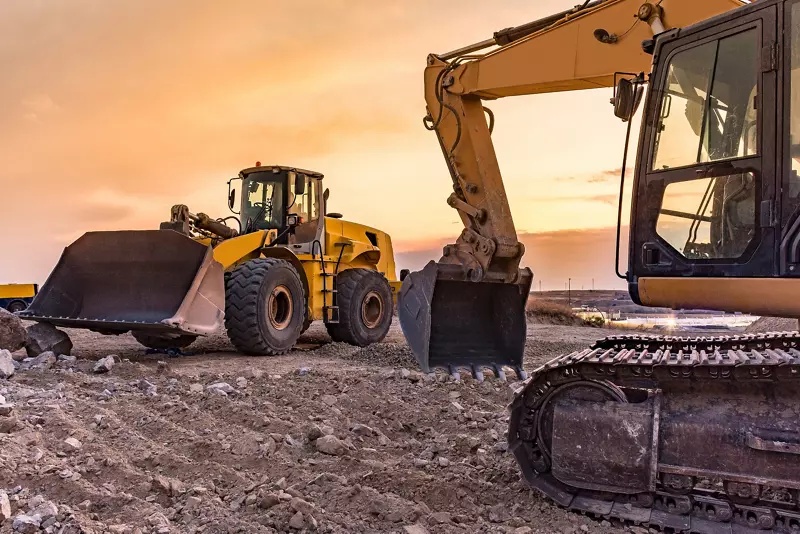
On severe working terrains, construction machinery like excavators, material handlers, and track loaders require immediate fluid redirection.
- The Problem Solved: Heavy auxiliary attachments often suffer from sluggish deployment speeds because traditional control networks introduce too much flow restriction during simultaneous machine operations.
- The Solution in Action: By utilizing KYDAC SD Series valves, auxiliary circuits receive rapid, high-pressure fluid redirection directly from the primary pump flow path.
- The Bottom-Line Result: Equipment operators experience instantaneous attachment control and crisper handling, allowing excavators and loading vehicles to move more material per hour while consuming less fuel.
Conclusion
Maximizing hydraulic efficiency requires components that eliminate internal fluid loss, minimize thermal accumulation, and respond instantly to automated electrical signals. The implementation of high-grade 2 position hydraulic solenoid valve units, such as KYDAC’s specialized DRVP6-40, DVP6-40, and SD Series, provides heavy industrial operations with the structural reliability needed to succeed in competitive international markets. Stop letting internal leakage and high pressure drops degrade your machinery’s output capabilities.
Are you ready to optimize your equipment’s fluid power efficiency? Contact KYDAC today to secure premium OEM solutions tailored to your technical specifications.
FAQ
Q: What is the primary operational difference between a 2-way and a 3-way hydraulic solenoid valve?
A: A 2-way hydraulic solenoid valve has two main fluid ports. It handles basic on-off control in a single flow path. A 3-way valve has three ports instead. These ports direct fluid between an inlet, an actuator, and the system tank return line.
Q: How does internal leakage in a 2-position hydraulic solenoid valve affect heavy machinery performance?
A: Internal leakage lets high-pressure fluid slip past sealing surfaces into low-pressure lines. This produces unexpected cylinder drift along with heat buildup in spots and a clear drop in system operating pressure.
Q: Why should an application choose a seated-type solenoid valve over a traditional sliding spool design?
A: Seated-type solenoid valves use metal-to-metal contact zones. These zones create a firm, leak-proof block in the fluid circuit. Sliding spools depend on tight clearances. Those clearances still allow some fluid bypass when pressure stays high for extended periods.
Q: What voltage configurations are typically standard for heavy industrial hydraulic solenoid coils?
A: Mobile construction equipment runs mainly on 12V DC or 24V DC systems to match vehicle alternator output. Stationary industrial machinery follows 110V AC or 220V AC standards from the grid instead.
Leave a Message
If you are interested in any product, please contact us. We will introduce our products to you in more detail


