

Solenoid vs. Manual vs. Proportional: The Best Valve Guide
Time : May 08, 2026 View : 174
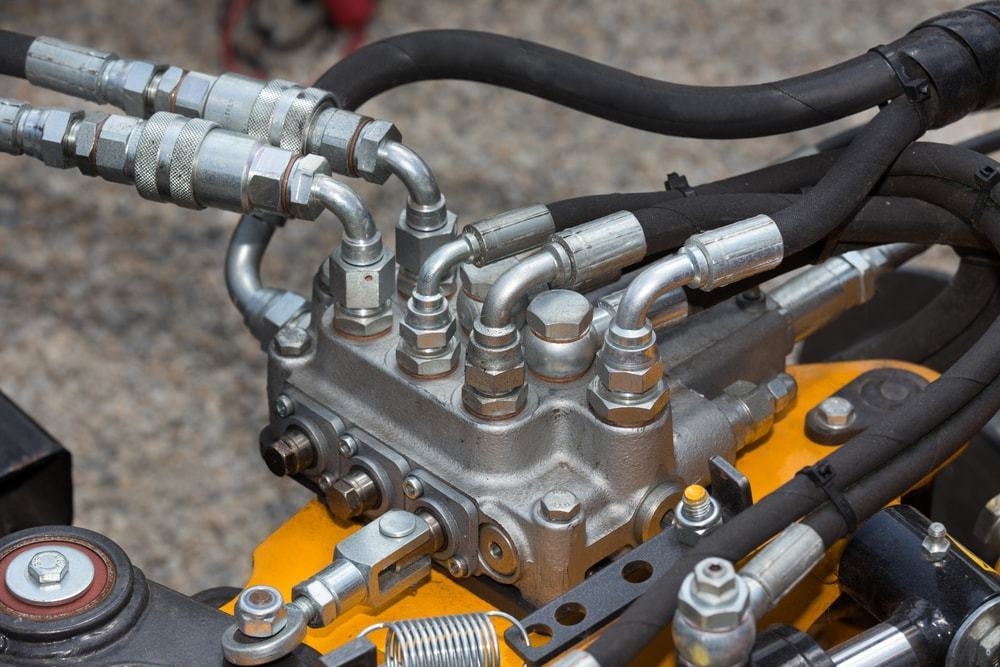
In the demanding field of hydraulic setups, picking the correct control valve separates smooth-running gear from units that face constant stops and wasted power. If you run a factory production setup or handle a group of tough diggers, grasping the details of Solenoid, Manual Lever, and Proportional Valves matters a great deal.
At KYDAC, we focus on supplying strong hydraulic parts that power worldwide operations. With more than 24 years of know-how, our goal is to offer dependable, ISO/TS16949-approved options that make handling fluids easier in tough jobs.
Solenoid Valves: The Pulse of Automation
Solenoid valves form the core of today’s automated hydraulic systems. They turn electrical power into physical action, which lets users control things from afar without hands-on work.
High-Speed Response and Remote Integration
The key strength of a solenoid valve lies in its quick action. In fast-paced assembly lines or setups that cycle often, switching a circuit open or shut in just milliseconds proves crucial.
- Remote Operation: Easily integrated with PLCs (Programmable Logic Controllers).
- Reduced Labor: Eliminates the need for an operator to be physically present at the valve site.
- Cycle Consistency: Ensures every movement is identical, reducing variance in industrial processes.
KYDAC’s SD Series: Precision Meets Durability
For jobs needing fast reactions, our SD Series Electromagnetic Controlled Directional Control Valves stand out through careful design. Unlike basic valves that break down during steady high-voltage use, the KYDAC SD series includes these features:
- Enhanced Heat Dissipation: Designed for continuous duty in demanding environments.
- Optimized Spool Design: Reduces internal friction, ensuring a longer service life even in high-pressure scenarios.
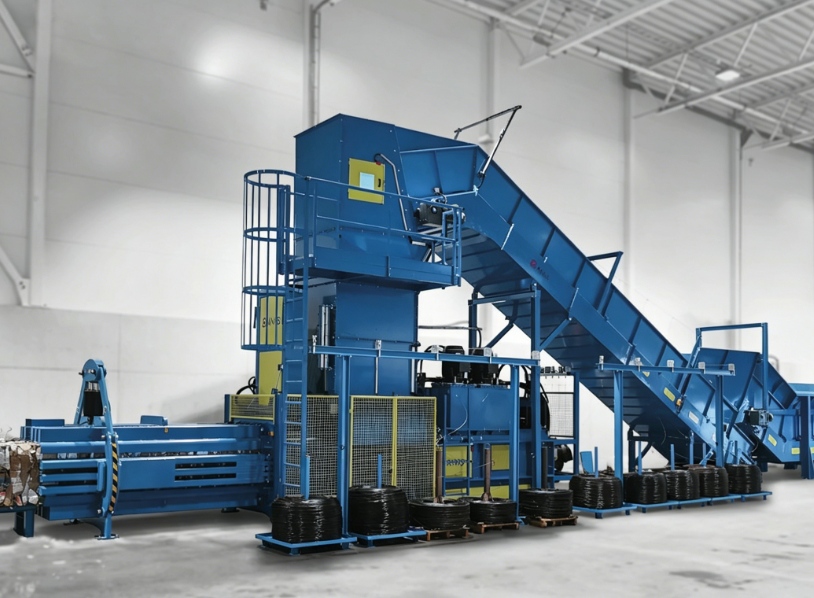
- Problem Solved: In automated baling machines, the SD series solves the issue of “laggy response” that often leads to material overflow or system timing errors.
Manual Lever Valves: The Standard for Rugged Reliability
Even with growing automation, manual lever valves hold a key spot in hydraulics. They give a sense of touch and basic mechanics that digital systems sometimes miss in rough spots.
Tactile Control in Harsh Environments
Manual valves act as a reliable backup in this field. Since they run without electricity, they fit well in moving machines in far-off places where power glitches might cause unsafe halts.
- Instant Feedback: Operators can modulate the speed of an actuator by physically feeling the resistance in the lever.
- Weather Resistance: No sensitive electronics to short-circuit in rain, mud, or extreme cold.
- Cost-Effectiveness: Lower initial investment and simpler maintenance compared to complex electronic setups.
The Versatility of DCV and P Series in Heavy Machinery
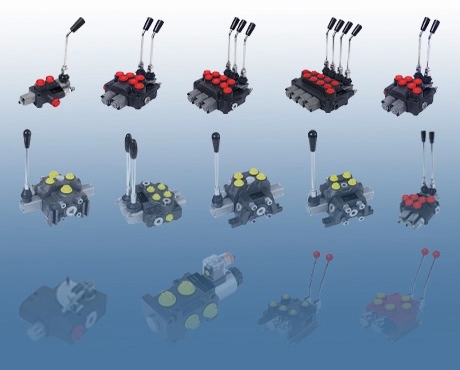
KYDAC’s DCV and P Series Multi-Way Directional Valves (such as the DCV100 and P80) suit the big machines in daily use.
- Multi-Circuit Control: These monoblock valves allow for the simultaneous control of multiple actuators, such as the boom, arm, and bucket of a tractor.
- Robust Monoblock Construction: Minimizes leak points compared to sectional valves.
- Application Scenario: In forestry equipment or agricultural tractors, the P80 series allows operators to handle heavy loads with smooth, jerky-free transitions, solving the common problem of “pressure spikes” that damage hydraulic hoses.

Proportional Valves: The Apex of Fluid Control
If your job calls for the auto features of a solenoid plus the step-by-step changes of a manual lever, proportional valves fit the bill.
Bridging the Gap Between Manual and Automatic
Proportional valves go beyond simple on or off states. They adjust the flow or pressure right along with the electric signal. As a result, you get gentle starts, steady speed builds, and exact placements.
- Variable Speed Control: Perfect for crane swing movements or conveyor belts.
- Reduced Hydraulic Shock: By gradually opening the valve, they eliminate the “hammer effect” that can crack pipes.
- Energy Efficiency: Only delivers the required amount of fluid power, reducing heat generation.
Optimizing Efficiency with KYDAC LKF Series
Our LKF Series Pressure Compensated Variable Flow Control Valves show fine-tuned adjustment at work.
- Precision Regulation: Maintains a constant flow regardless of pressure changes in the system.
- System Stability: Ideal for specialized industrial vehicles where steering and lifting must remain steady even as the load changes.
- Problem Solved: In precision plastic injection molding machines, the LKF series ensures that the hydraulic motor maintains a constant RPM, preventing product defects caused by flow fluctuations.
Critical Comparison: Which One Should You Choose?
Picking the best valve hinges on your exact needs. Below is how they measure up:
- Complexity of Task
- Simple On/Off: Use Solenoid Valves.
- Rough Manual Handling: Use Manual Lever Valves.
- Complex Speed/Positioning: Use Proportional Valves.
- Environment
- Clean, Indoor Factory: Solenoid or Proportional.
- Dirty, Outdoor Construction Site: Manual Lever (or ruggedized Solenoid like KYDAC SD).
- Budget vs. Performance
- Manual valves offer the lowest cost but require more operator effort.
- Proportional valves have a higher price point but pay for themselves through energy savings and reduced machine wear.
KYDAC Advantage: Regardless of the type, KYDAC components are manufactured using imported German and Japanese equipment, ensuring that even our simplest manual valves meet global OE (Original Equipment) standards.
Looking to Optimize Your Hydraulic System?
Deciding among solenoid, manual, and proportional valves shapes how long your hydraulic system lasts. At KYDAC, we go beyond selling pieces; we supply the solid support for your machines. From the quick shifts in our SD solenoid valves to the tough reliability of our DCV manual line, we help your gear run at full strength.
Reach out to our tech group now for a fitted answer. We offer worldwide supply help and a 2-year warranty on main items to back your work.
[Contact KYDAC: Email Maria@shangjiayeya.com for a Quote]
FAQ
Q: Can a solenoid valve be used for flow modulation?
A: Generally, no. Standard solenoid valves act as “on/off” devices. If you want modulation, a proportional solenoid valve or a manual flow control valve works better.
Q: What is the main cause of failure in manual lever valves?
A: Contamination in the hydraulic fluid ranks as the primary issue. KYDAC valves have high-precision spools that hold up against wear. Still, clean oil proves vital for long life.
Q: Are proportional valves worth the extra cost?
A: Yes, when your setup calls for steady movement or changing speeds. These valves cut mechanical strain and hydraulic heat by a good margin. As a result, they trim down ongoing repair expenses over time.
Q: How does pressure compensation work in KYDAC LKF valves?
A: The process relies on a built-in setup that handles pressure falls. This keeps the flow rate steady, no matter if the machine’s workload rises.
Leave a Message
If you are interested in any product, please contact us. We will introduce our products to you in more detail


