

Boost Hydraulic Efficiency: 12V or 24V DC HPU Selection Guide
Time : May 22, 2026 View : 389
In mobile hydraulics and industrial automation, picking the correct power source matters just as much as the hydraulic setup. If you are building a small tipper trailer, a tough tail lift, or advanced farm equipment, one key question arises: 12V or 24V DC?
Both setups do the main job of turning electrical power into hydraulic force. However, they vary in how well they work, how much heat they produce, and how reliable they are over time. At KYDAC, we know your hydraulic parts, like gear pumps and directional control valves, need to run smoothly no matter the voltage. This guide explains the differences between 12V and 24V systems. It aims to help you decide wisely as an engineer.
Understanding DC Hydraulic Power Units
A DC Hydraulic Power Unit (HPU) acts as the core of many mobile setups. It usually combines a DC motor, a hydraulic gear pump, a tank, and various control valves. KYDAC has worked for more than 24 years to improve these key parts. Our hydraulic control valves and solenoid valves deliver the accuracy needed for automated operations.
12V DC Hydraulic Power Units: Versatility and Accessibility
12V DC systems serve as the common choice for light-to-medium tasks in mobile use. They fit well with typical car electrical systems.
Core Advantages of 12V Systems
- Universal Compatibility: Most vans, pickup trucks, and small tractors use 12V batteries. So, adding a 12V HPU is simple and cheap.
- Lower Initial Investment: 12V parts and battery arrangements are easy to find and cost less for basic projects.
- Simplified Maintenance: These parts are common everywhere. That makes fixes in far-off spots quicker for users.

Ideal Application Scenarios
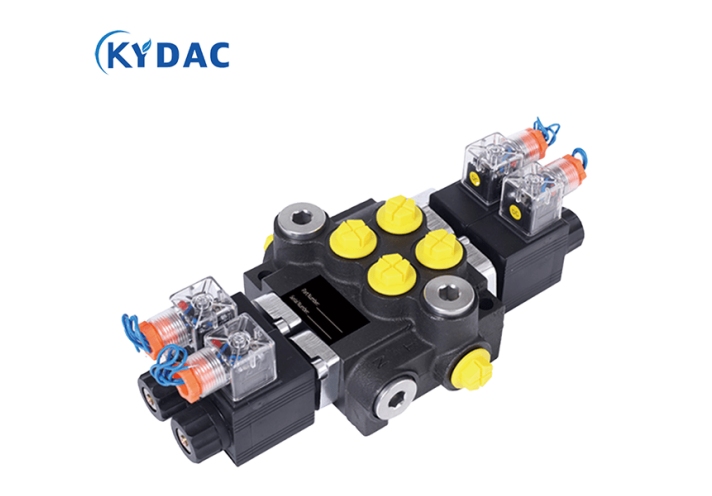
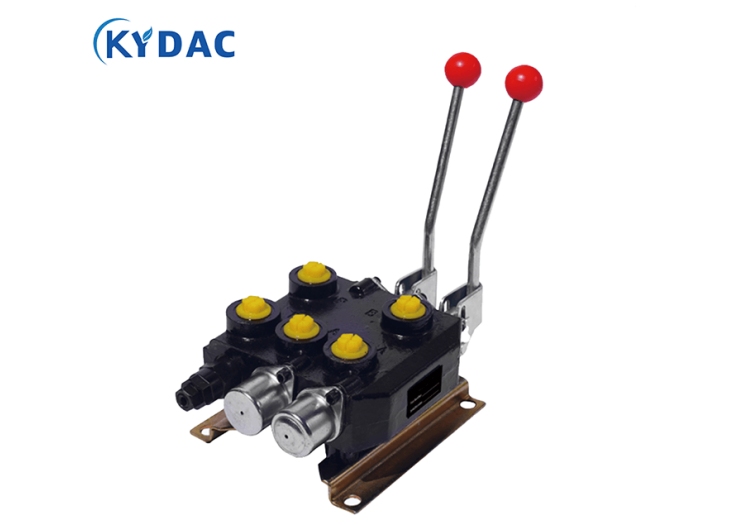
12V HPUs work best where the system runs on and off. Take small tipper trailers, for instance. Here, a 12V setup drives the lift cylinder to unload materials and then pauses. In these cases, KYDAC’s ZDL-15 or P40 series multi-way directional valves often handle the smooth manual control of the cylinder. This keeps the load steady and avoids risky, sudden falls.
24V DC Hydraulic Power Units: Power and Efficiency
As tasks get tougher, 12V limits show up clearly. That is why 24V becomes the go-to for heavy industrial and building gear.
Why 24V is Superior for Heavy-Duty Tasks
The main benefit of 24V comes from Ohm’s Law. For equal power, twice the voltage cuts the current in half.
- Reduced Heat Generation: With less current, heat builds up far less in the motor and wires. This supports longer runs without overheating risks.
- Smaller Wiring Requirements: Lower current lets you pick slimmer, lighter, and easier-to-bend cables. Such choices make arranging busy machines simpler.
Efficiency and Heat Management
For dock levelers or big aerial platforms, where the motor operates often during shifts, 24V setups perform strongly. The higher voltage keeps a steady torque for the hydraulic gear pump. To match this, KYDAC’s SD series electromagnetic-controlled directional valves manage quick shifts and strong pressures. They cut down on pressure losses and wasted energy.

12V vs. 24V: The Ultimate Comparison Table
| Feature | 12V DC System | 24V DC System |
| Current (Amperage) | High (results in higher heat) | Low (50% less than 12V) |
| Wire Gauge | Thick, heavy cables required | Thinner, more cost-effective cables |
| Duty Cycle | Better for intermittent use | Suitable for more continuous use |
| Common Uses | Light trucks, boat lifts, small trailers | Heavy construction, forklifts, tail lifts |
| Component Stress | Higher thermal stress on contacts | Lower thermal stress; longer life |
How KYDAC Components Optimize Your DC System
Selecting the voltage covers just part of the challenge. The real strength comes from the hydraulic valves. At KYDAC, we build special parts that fix typical issues in both 12V and 24V setups.
Precision Control with KYDAC Valves
One frequent trouble in DC hydraulic systems is shaking during small adjustments. KYDAC’s LKF series pressure-compensated variable flow control valves fix this by holding a steady flow despite changing loads. So, whether your 24V motor works hard or sits idle, our valves make the hydraulic part move with exact control.
Durability in High-Frequency Operations
Automated lines or robot systems need solenoid valves to activate thousands of times each shift. KYDAC’s rapid-response hydraulic solenoid valves (such as the DVP6-40 series) use strong materials to resist electrical sparks and physical wear in DC environments. Our 24V solenoid coils focus on low energy use and good heat release. This boosts the overall life of the HPU.
Choosing the Right System: Key Factors to Consider
- Power Requirements: For needs over 3kW, pick 24V to dodge quick battery drain and wire heat-up.
- Available Power Source: Check what you already have. A 12V vehicle needs a DC-DC converter or extra batteries for a 24V HPU. That adds steps.
- Space Constraints: 24V allows compact motors and slim wires. This helps a lot in cramped engine areas or tight machine designs.
12V vs. 24V: Tackling Torque Loss and Voltage Drop
In 12V systems for gear with long reaches, like extended trailers, voltage drops along cables. This weakens motor torque. Switching to 24V with KYDAC’s high-efficiency gear pumps keeps strong pressure (up to 25MPa) even over distant lines. Thus, hydraulic cylinders get the push they require.
Conclusion
Pick 12V for ease or 24V for tough work. Either way, your hydraulic setup’s results hinge on solid inner parts. KYDAC sets the top mark in hydraulic control valves, gear pumps, and solenoid options. We draw on 24 years of making skills and ISO/TS16949 approval.
Elevate your equipment performance today.
Looking for OEM or ODM solutions? Our team of 30+ engineers is ready to help you design the perfect hydraulic circuit.
[Contact KYDAC for a Custom Hydraulic Component Consultation]
- Email:Maria@shangjiayeya.com
- Phone: +86 15830130792
FAQ
Q: Can I run a 12V hydraulic motor on a 24V battery system?
A: No. This will immediately overheat the motor windings and likely cause permanent failure or a fire hazard. Always match your HPU voltage to your power supply.
Q: Why do 24V systems seem to last longer in industrial environments?
A: Lower amperage reduces the heat generated in the motor and electrical connectors. Less heat translates to slower degradation of seals, insulation, and valve coils.
Q: Does higher voltage mean higher hydraulic pressure?
A: Not directly. Pressure is determined by the hydraulic pump and the setting of the relief valve (like those integrated into KYDAC valve groups). However, 24V systems maintain the torque required to reach those high pressures more consistently.
Q: Are 24V solenoid valves different from 12V ones?
A: Yes, the internal coils are wound differently to handle the specific voltage. KYDAC offers both 12V and 24V options for our entire solenoid valve range to ensure compatibility.
Q: What is the most common cause of failure in DC HPUs?
A: Electrical contact burnout due to high current (mostly in 12V) and hydraulic contamination. Using high-quality valves and proper filtration can mitigate these risks.
Leave a Message
If you are interested in any product, please contact us. We will introduce our products to you in more detail


