

Hydraulic Pumps vs. Motors: Key Differences You Must Know
Time : Jul 30, 2026 View : 106
The Powerhouses of Industrial Hydraulic Systems
In factories and heavy machines today, strong industrial hydraulic systems deliver lots of power in a tight space, good control, and years of reliable use. KYDAC works as a leading hydraulic pump manufacturer and hydraulic motor manufacturer that focuses on custom hydraulic solutions. We team up with engineers worldwide to put together solid fluid power systems. Getting to know these setups begins with seeing the separate jobs of the main hydraulic system components.
The Basics: Understanding Energy Conversion in Fluid Power
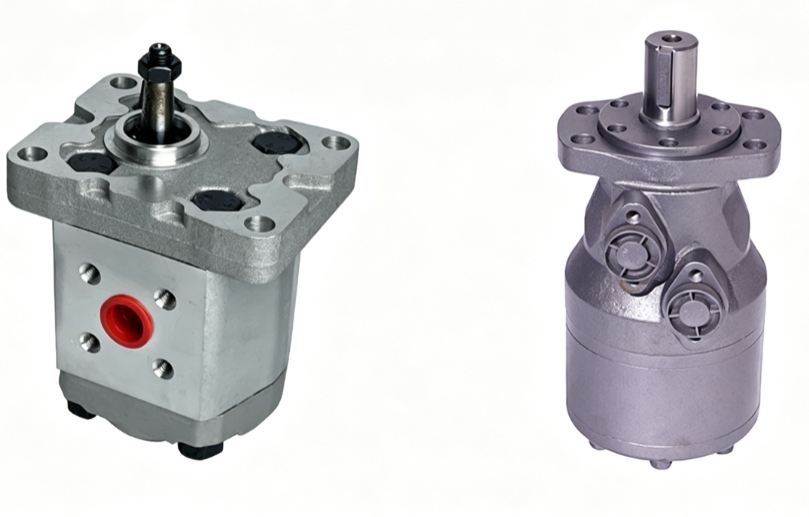
Looking at hydraulic pump vs motor starts with how they switch energy in opposite ways inside one fluid loop.
- Hydraulic Pump Function: A hydraulic pump changes mechanical energy from an engine or electric motor into hydraulic fluid power. It creates a flow of liquid under pressure.
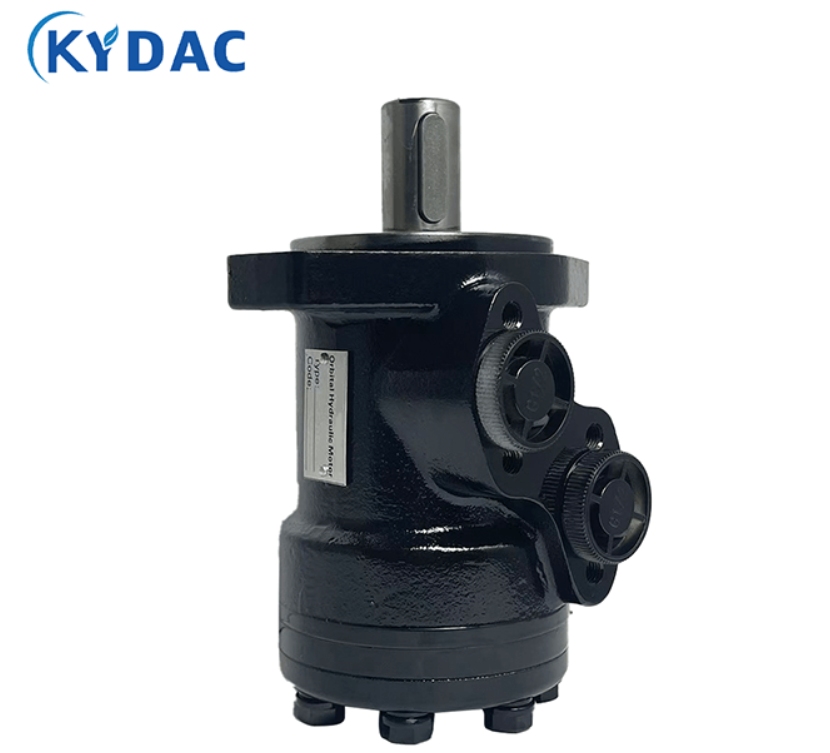
- Hydraulic Motor Function: A hydraulic motor takes in pressurized fluid from the circuit. Then it turns that fluid power back into mechanical force to move outside loads.
Hydraulic Pumps vs. Motors: Core Functional & Architectural Differences
A hydraulic pump and a hydraulic motor use many of the same inside parts like gears, vanes, or pistons. But their design goals in mechanical engineering differ a lot.
Mechanical Input vs. Fluid Power Output
The big difference in hydraulic pump vs motor design shows up in how fluid moves and how torque comes about.
- Driven vs. Driving Force: A hydraulic pump runs on mechanical drive to push hydraulic oil through valves and lines. A hydraulic motor runs on fluid flow instead and turns machinery shafts.
- Pressure Generation: Pumps build up flow volume to push against resistance in the system. Motors use the incoming pressure to make steady torque at the shaft.

Operational Directionality and Internal Design
How fluid acts inside controls the way each part deals with pressure, port connections, and running direction.
- Unidirectional Flow in Pumps: Most hydraulic pump units work best turning one way only. This helps keep efficiency high and protects seals from failing when the inlet side has low pressure.
- Bidirectional Motion in Motors: A hydraulic motor usually supports turning both directions. It has even porting inside and extra drain lines outside to deal with pressure jumps when it stops fast or reverses.
Quick Comparison Matrix: Hydraulic Pump vs. Hydraulic Motor
| Feature / Parameter | Hydraulic Pump | Hydraulic Motor |
| Energy Conversion | Mechanical Energy → Hydraulic Energy | Hydraulic Energy → Mechanical Energy |
| Primary Output Parameter | Flow rate (L/min or GPM) and pressure resistance | Output torque (Nm) and rotational speed (RPM) |
| Typical Port Setup | Large low-pressure suction port; smaller high-pressure outlet port | Equal-sized inlet and outlet ports with external drain line |
| KYDAC Product Example | KYDAC 2.5P Series & 1PUA Series Gear Pumps | KYDAC BMP / BMR / BMH Series Cycloidal Motors |
| Primary Industrial Role | Supplies continuous pressurized oil to fluid circuits | Drives heavy wheels, tracks, conveyors, and winches |
Solving Industrial & Mobile Machinery Challenges
Engineers check real operating issues in heavy mobile equipment when they do hydraulic component selection.
Hydraulic Pumps in Action: Driving Continuous High-Pressure Flow
Key hydraulic pump applications show why steady pressure matters so much for tough machines.
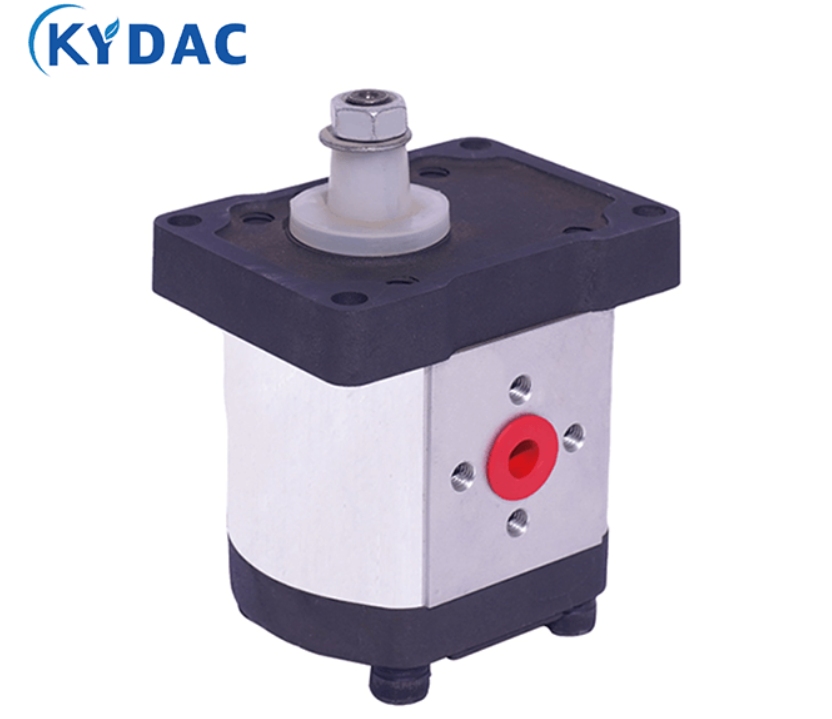
- Agricultural Sprayers & Tractors: Changing engine speeds often drop pressure. Compact gear pumps fix that issue. KYDAC 2.5P Series gear pumps offer good efficiency and keep flow steady to avoid swings in field work.
- Construction Excavators: Big loads need small but strong power units. KYDAC 1PUA Series gear pumps run quietly and hold pressure well in crowded spaces. This lowers noise and cuts power waste.
Hydraulic Motors in Action: Delivering High-Torque Mechanical Motion
Special hydraulic motor applications point out how torque from fluid power handles difficult drive jobs.
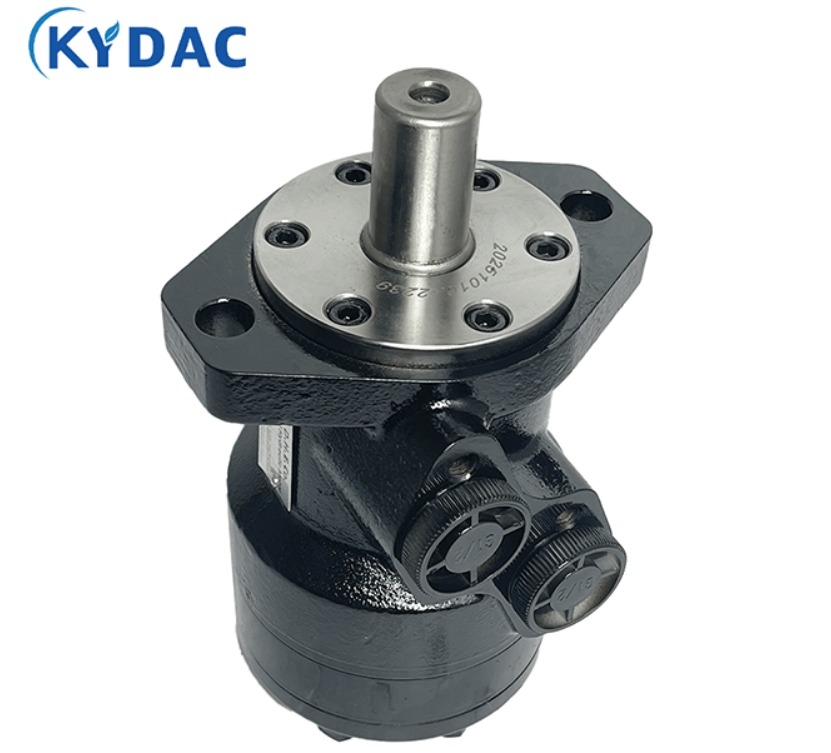
- Winch Drives & Rotary Drills: Electric units stall under big weights or fail in wet areas. KYDAC BMP and BMR Series cycloidal motors give smooth low-speed torque and do not overheat.
- Municipal Sweepers & Harvesters: Starting and stopping all the time damages normal drives. KYDAC BMH Series motors resist shocks and turn both ways for easy vehicle handling.
The Role of Control Valves in Optimizing Pump and Motor Performance
Putting in OEM hydraulic components such as direction and pressure valves helps pumps and motors run together smoothly.
- System Pressure Protection: Hydraulic solenoid valves like the KYDAC DRVP6 series control relief and auto-moves of fluid. They keep pumps from too much pressure.
- Multi-Actuator Directional Control: KYDAC DCV100 and BDL-40 monoblock directional control valves direct fluid correctly between pumps and motors. This supports control in cranes and loaders on the move.
How to Select the Right Component for Your Custom Hydraulic Solutions
The right hydraulic component selection stops issues like air pockets in fluid, extra heat, and seals wearing out early in industrial hydraulic systems.
Key Engineering Parameters to Evaluate
Engineers review what the system needs before they pick a hydraulic pump or hydraulic motor.
- Operating Pressure & Flow Rate: Line up pump size with the flow all motors and cylinders use in the circuit.
- Torque and Speed Requirements: Work out starting and running torque numbers to decide on gear, vane, or cycloidal motor styles.
- Fluid Viscosity & Thermal Load: The oil loop should have enough cooling protection, like air-oil coolers. This guards seals during long hard use.

Partnering with KYDAC for Reliable OEM Hydraulic Components
KYDAC stands as a trusted hydraulic pump manufacturer and hydraulic motor manufacturer. We bring accurate fluid power work to places around the globe.
Why Global Equipment Builders Choose KYDAC
KYDAC makes top gear pumps, cycloidal motors, control valves, and solenoid valves built for custom hydraulic solutions.
- Custom OEM Engineering: We provide custom OEM hydraulic components with changes to flanges, sizes, and ports so they fit client needs right.
- Strict Quality Control: Each hydraulic pump and hydraulic motor goes through full pressure and flow checks. They reach the high marks set for heavy machines internationally.
Ready to improve your equipment performance with custom industrial hydraulic systems? [Contact KYDAC Today] to request product datasheets, OEM quotes, or custom system designs!
FAQ
Q: Can a hydraulic pump be used as a hydraulic motor in a fluid circuit?
A: They look similar in the hydraulic pump vs motor comparison. But standard pumps do not have the right inside ports, balanced seals, and drain lines to manage backpressure like a motor. Leaks can happen without them.
Q: What key factors determine proper hydraulic component selection for mobile machinery?
A: Proper hydraulic component selection depends on pressure in the system, flow rates needed, torque over time, temperatures during work, and room for mounting.
Q: How do custom hydraulic solutions improve efficiency in industrial hydraulic systems?
A: Custom hydraulic solutions fit valve designs to the task, match motor sizes to loads, and lower drops in pressure through the circuit. This means less energy used and longer life.
Q: Why consult a specialized hydraulic motor manufacturer for heavy drive applications?
A: A dedicated hydraulic motor manufacturer like KYDAC gives access to specialized OEM hydraulic components. These provide strong starting torque and stand up to rough shocks in the field.
Related News
Leave a Message
If you are interested in any product, please contact us. We will introduce our products to you in more detail


