

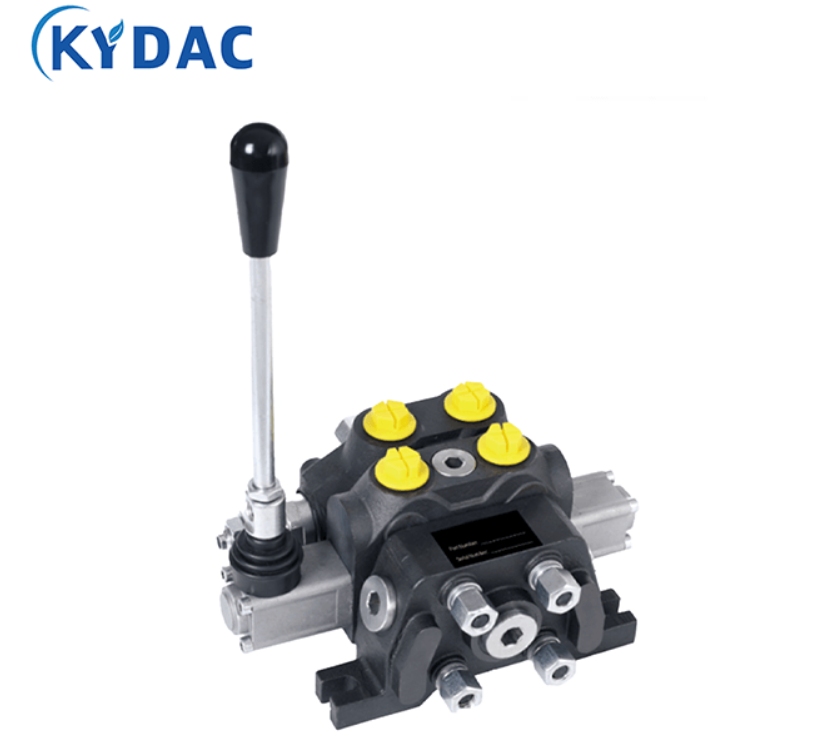
Proportional vs. On-Off Multi-Way Valves for Hydraulic Control
Time : Aug 28, 2026 View : 89

Expensive mobile machines such as aerial work platforms, telescopic cranes, and specialized construction equipment require smooth motion with accuracy down to the millimeter. This depends on solid fluid power designs. Engineers working on hydraulic circuits often compare cost-effective directional on-off hydraulic valves against electro-hydraulic proportional valves for precision hydraulic control. Proper selection of the hydraulic control valve for given loads improves safety, raises output, and lengthens the overall life of the machine. KYDAC serves as an established global hydraulic valve manufacturer. The company offers robust hydraulic valves, gear pumps, and customized valve manifold solutions made for heavy-duty industrial applications.
Understanding the Fundamental Mechanics: Proportional vs. On-Off Valves
To evaluate precision hydraulic control, engineers must first analyze how different spool valve architectures regulate hydraulic fluid flow to downstream actuators.
Operating Principles of On-Off Hydraulic Valves
When exploring the proportional valve vs on-off valve trade-off, on-off hydraulic valve systems function using discrete digital actuation to shift spools instantaneously between fully closed and fully open positions.
- Fixed Orifice Flow: When energized via a basic electrical solenoid, the internal spool shifts immediately, offering no variable flow throttling.
- Rapid Response Cycle: Rapid opening times suit basic directional switching where intermediate speed modulation is unnecessary.
- Hydraulic Pressure Spikes: Sudden flow opening and closure can induce pressure surges, causing structural mechanical vibration in long-reach booms.
How Electro-Hydraulic Proportional Valves Deliver Precision
An electro-hydraulic proportional valve utilizes variable electronic inputs to continuously modulate spool displacement and fluid orifice geometry, making it ideal for precision hydraulic control.
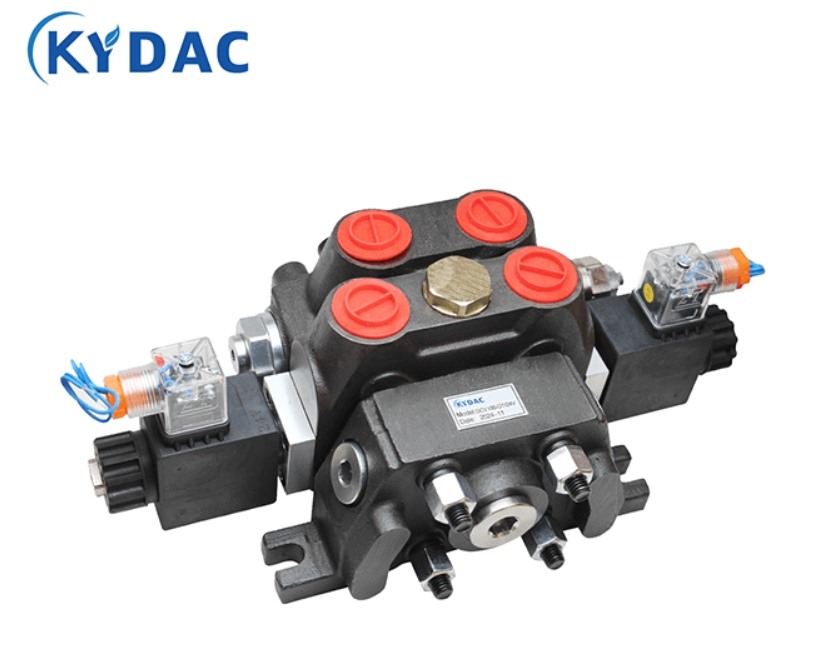
- Variable Spool Positioning: A high-performance proportional hydraulic valve or hydraulic proportional valve translates pulse-width modulation (PWM) current signals into precise mechanical force, infinitely adjusting spool stroke.
- Integrated Flow Metering: Built-in V-notches and metering grooves enable fine-tuned proportional flow control across variable load demands.
- Controlled Acceleration and Deceleration: Smooth ramp-up and ramp-down profiles prevent abrupt actuator stops, ensuring stable positioning during hydraulic actuator control.
Comparative Performance Analysis for Precision Applications
Selecting the correct hydraulic control valve requires balancing system complexity against required motion control quality.
Flow Control and Actuator Speed Modulation
Precise actuator velocity regulation depends entirely on fine metering capabilities within the multi-way hydraulic valve body.
- Metering Flexibility: A proportional directional valve allows operators to feather controls, adjusting cylinder or hydraulic motor speeds dynamically under varying pressure conditions.
- Multi-Actuator Synchronization: Advanced multi-way directional control valve groups allow proportional flow sharing, enabling simultaneous boom extension and winch rotation.
- Energy Efficiency: Tailored spool geometry reduces throttling losses compared to bypassing excess pump flow through relief circuits.
Hydraulic Shock Mitigation and Equipment Lifespan
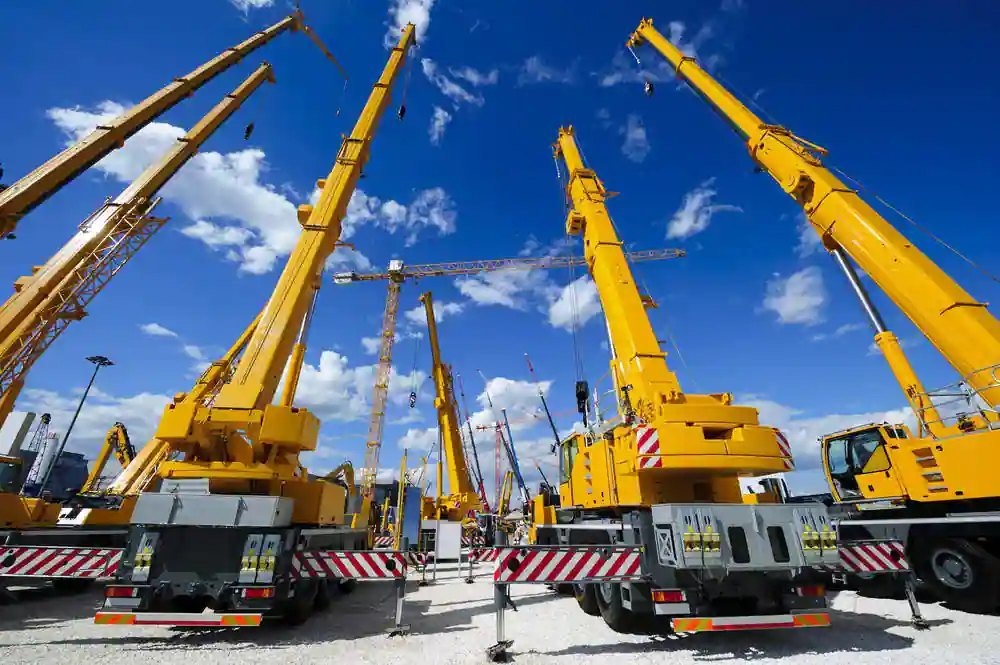
Handling fluid movement and sudden pressure changes helps protect the frame of tall work machines.
- Vibration Suppression: Moving the spool in a controlled way cuts hydraulic shock waves. It lowers stress on boom steel and pin joints.
- Smooth Load Inversion: Proportional speed changes stop sudden drops when lowering loads over center.
- Lower Maintenance Costs: Fewer pressure spikes make seals last longer. They also avoid early damage to hoses and fittings.
Application Insights: Selecting the Right Valve for High-Value Machinery
Engineers must pair valve mechanical features with exact application safety requirements and operational environments.
Aerial Work Platforms (AWPs) and Boom Lifts
Lifting gear for workers needs steady motion. This cuts basket sway and keeps operators safe when working high up.
- Micro-Positioning Demands: Work platforms need accurate low-flow control during the last moves near overhead beams.
- KYDAC ZDL-20 & DCV100 Solutions: The KYDAC ZDL-20 and DCV100 series use ground spools for exact flow. They provide smooth boom lift and extension.
- Enhanced Operator Confidence: Removing sudden starts and stops boosts safety and speed at height.
Heavy-Duty Mobile Cranes and Material Handling
Heavy lifting machinery demands high pressure tolerance coupled with multi-circuit control capabilities.
- Heavy Load Dynamics: Suspended loads create high load-induced pressures that require leak-free directional control and auxiliary relief protection.
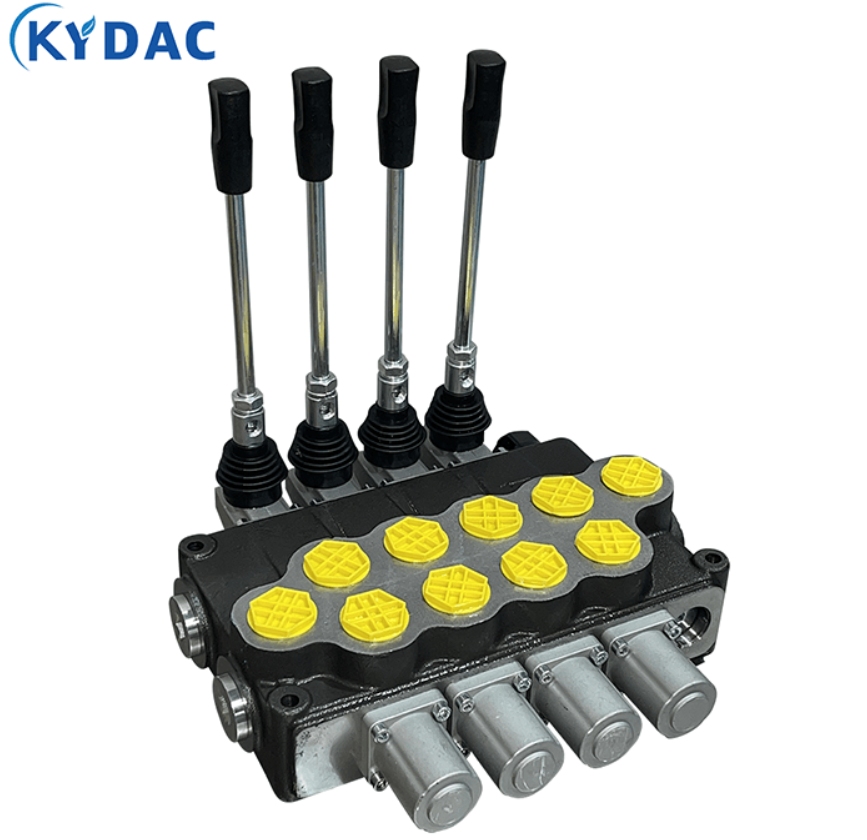
- KYDAC P120 & SD Valve Integration: High-flow KYDAC P120 monoblock directional valves paired with KYDAC SD series electromagnetic directional control valves offer robust load holding and high flow capacity for heavy crane winches and outrigger systems.
- System Integration Versatility: Compact monoblock and sectional configurations allow easy mounting into tight chassis frames.
Hydraulic Valve Selection and Sizing Framework
Getting the hydraulic valve size right cuts down on big pressure losses and keeps control sharp.
Key Parameters for Hydraulic Valve Sizing
Selecting a hydraulic valve means looking at fluid flow, electrical drive choices, and the surroundings where it will work.
- Rated Nominal Flow Rate: Align the pump’s highest output with the valve’s rated flow. Take a 40 L/min model next to a 120 L/min one. This step stops extra heat from forming.
- Working Pressure Ratings: Check the top pressures on P, A, B, and T ports when loads reach their peak.
- Spool Center Type & Metering Profile: Match open-center, closed-center, or tandem-center spools to fixed or variable pump setups on site.
- Spool Control Interface: Weigh direct solenoid, electro-hydraulic pilot, or manual lever options so a safe backup stays available.
Optimize Your Hydraulic Control Architecture with KYDAC
Choosing between proportional and on-off multi-way valves comes down to how precise your machine needs to be and what your budget allows. Basic secondary tasks work fine with affordable directional valves. High-value mobile machinery, though, needs the smooth starts and stops plus protection that electro-hydraulic proportional valve technology brings.
KYDAC has built a name as a reliable OEM supplier and partner over many years in production. We provide hydraulic directional control valves, monoblock valve manifolds, and tailored fluid power setups known for strong performance. Reach out to KYDAC now for CAD files or to discuss custom OEM hydraulic manifold assemblies.
FAQ
Q: What is the main operational difference between a proportional hydraulic valve and an on-off valve?
A: A proportional hydraulic valve changes fluid flow and direction as the electrical signal varies. An on-off valve works only in fully open or fully closed positions.
Q: Why are electro-hydraulic proportional directional valves preferred in aerial work platforms?
A: Electro-hydraulic proportional directional valves give steady motion without sudden jerks. This keeps the boom stable at height and lets operators make small adjustments safely.
Q: How does hydraulic valve sizing affect overall system temperature and efficiency?
A: Valves that are too small cause large pressure drops over the spool lands. The lost energy turns into heat in the oil and lowers how efficiently the system runs.
Q: Can KYDAC supply customized multi-way valve assemblies for specific OEM machinery designs?
A: Yes, KYDAC supplies custom multi-way valve groups and monoblock units. Each set matches the required flow rates, pressures, and control types for the machine.
Related News
Leave a Message
If you are interested in any product, please contact us. We will introduce our products to you in more detail


